What Is a Unagi Restaurant?
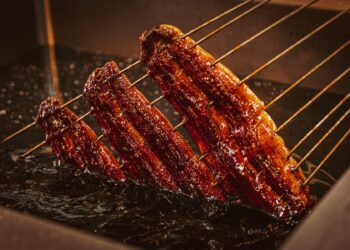
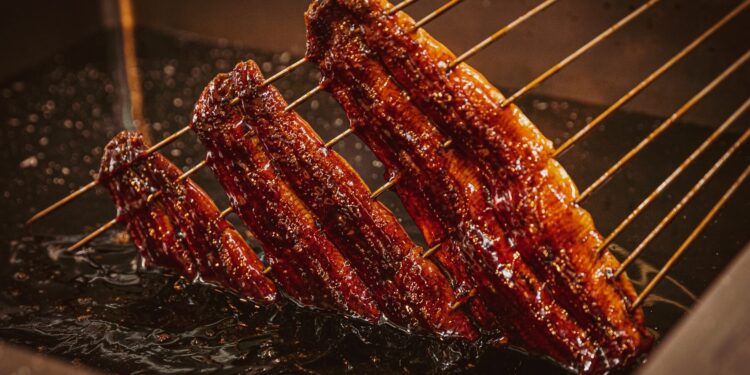
A unagi restaurant, as the name suggests, is a specialty eatery devoted entirely to eel cuisine.
In Japan, there is a long-standing tradition of eating eel on “Doyo no Ushi no Hi” (Midsummer Day of the Ox), a custom rooted in the belief that eel provides stamina and helps prevent summer fatigue.
At a dedicated unagi restaurant, guests can enjoy everything from classic staples like una-don (eel rice bowl) and una-ju (eel in a lacquered box) to shirayaki (plain-grilled eel) and hitsumabushi (a Nagoya-style eel rice dish).
At truly authentic establishments, the entire process — from breaking down the live eel to the final grilling — is handled in-house, a testament to the artisan’s skill.
The craft is so demanding that it’s described with the old saying: “Three years to skewer, eight years to fillet, a lifetime to master the grill.”
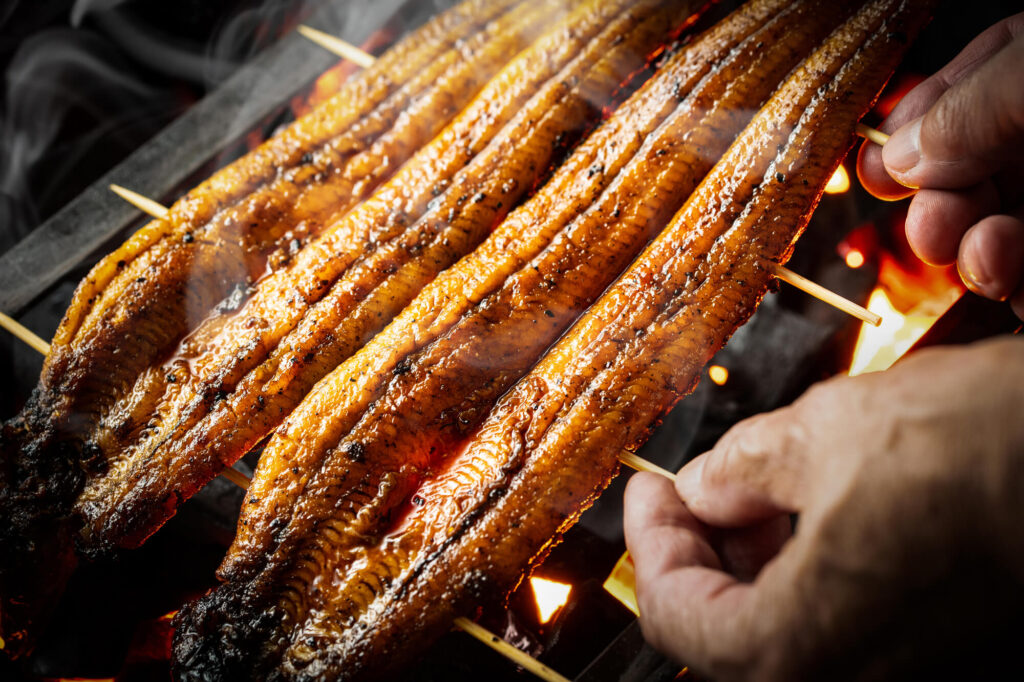
Slowly grilled over binchōtan charcoal by a seasoned craftsman, the eel achieves a texture that is crisp on the outside, tender and fluffy within, all coated in a house tare sauce passed down through generations.
How to Spot a Great Unagi Restaurant

If you’re going to visit a unagi restaurant, you want to make sure it’s a truly exceptional one.
The first thing to look at is how the restaurant sources its eel.
Whether it uses wild-caught or farmed eel has a significant impact on price, though advances in aquaculture mean that high-quality farmed eel is now widely available.
What matters is whether the restaurant is selective about where its eel comes from and whether it has a commitment to quality sourcing.
Traditional unagi restaurants also reveal their regional roots through their butchering method — a “back cut” or a “belly cut.”
The Kanto (Tokyo) style uses a back cut, while the Kansai (Osaka) style favors a belly cut, and this difference affects the texture of the finished dish.
When it comes to grilling, the most serious restaurants use binchōtan charcoal over indirect heat, taking their time to cook the eel low and slow.
This method renders out excess fat and draws out a deep, aromatic flavor that gas or electric grilling simply cannot replicate — so charcoal grilling is always worth seeking out.
The house tare sauce is another point of pride at any reputable restaurant; many have been building their sauces for decades, topping up the same pot rather than starting fresh.
The ideal tare is balanced — not overly sweet — and serves to elevate the natural richness of the eel.
Often overlooked but equally important is the rice itself.
A slightly firmer grain that holds up to the tare and complements the eel is what separates good from great.
A well-run unagi restaurant announces itself before you even walk in: the intoxicating aroma of eel caramelizing over charcoal drifts into the street. Conversely, any hint of a fishy odor is a red flag.
The History of Unagi

The history of eel cuisine in Japan stretches back millennia — eel bones excavated from Jomon-period archaeological sites confirm that eel was already part of the human diet thousands of years ago.
In written records, the Manyoshu — an anthology compiled during the Nara period (8th century) — contains a poem by Otomo no Yakamochi praising eel, suggesting that even then it was regarded as a prized ingredient.
It was during the Edo period (17th–19th century) that kabayaki — the iconic style of split, skewered, and tare-glazed grilled eel — took its definitive form.
The regional differences in butchering and cooking technique that distinguish Kanto from Kansai eel also trace their origins to this era.
In Edo (present-day Tokyo) in particular, a robust tare built on soy sauce and mirin was developed, laying the foundation for what we know as traditional unagi cuisine today.
The custom of eating eel on Doyo no Ushi no Hi is famously attributed to Hiraga Gennai, an Edo-period polymath.
According to popular legend, he devised the slogan “eat eel on the Day of the Ox to avoid summer fatigue” as a promotional campaign for a struggling eel restaurant — and the tradition has endured ever since.
After the Meiji period, eel was firmly established as a luxury ingredient, a status it retains to this day.
In recent years, the decline of wild eel populations has become a pressing environmental concern, but the development of sustainable aquaculture practices continues to move forward, ensuring that this cornerstone of Japanese food culture will be preserved for future generations.
Top Unagi Restaurants in Tokyo
Watabe (Kasuga)

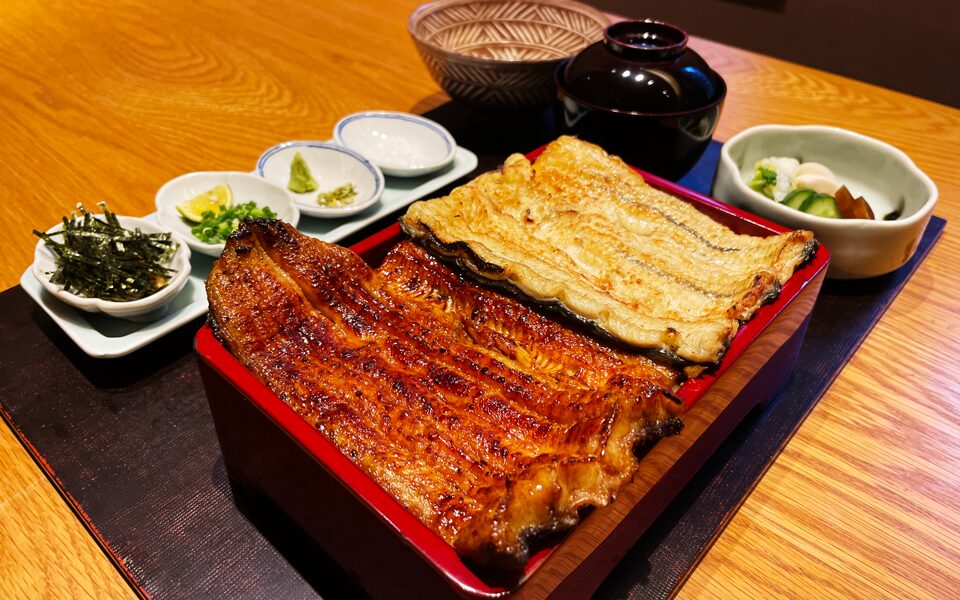
Watabe is a long-established unagi specialist located in Kasuga, Bunkyo Ward, founded in 1948.
It has appeared in the Michelin Guide Tokyo for five consecutive years starting in 2018 — a track record that speaks for itself.
Each day, carefully selected domestic eel is butchered and skewered by hand to match the morning’s fresh delivery.
The restaurant’s signature preparation involves pre-grilling over charcoal before steaming in a vessel containing tea leaves — a distinctive technique that sets Watabe apart.
The finished eel is then glazed with a sharp, Kanto-style tare that has been continuously replenished since the restaurant’s founding over seventy years ago.
A final blast of high-heat binchōtan charcoal imparts the perfect caramelized char, and the eel arrives at the table piping hot with an irresistibly fluffy interior.
Beyond the standard una-ju, the menu also features seasonal course menus and a curated selection of à la carte dishes that pair beautifully with sake.
The calm, understated Japanese dining room makes it an ideal setting for a special occasion.
For anyone seeking an uncompromising, authentic unagi experience, Watabe is an essential destination.
| Address | 〒112-0003 1-9-14 Koishikawa, Bunkyo-ku, Tokyo (※ New location after relocation and redevelopment from the former address at 1-12-6 Kasuga) |
|---|---|
| Getting There |
Approx. 1 min walk from Exit A3 of Kasuga Station (Toei Mita Line / Oedo Line) Approx. 3 min walk from Korakuen Station (Tokyo Metro Marunouchi Line / Namboku Line) |
| Hours |
11:30 – 14:00 (L.O.) 17:00 – 20:30 (L.O.) ※ Sunday dinner service may vary; advance confirmation recommended |
| Estimated Budget |
Lunch: ¥4,000 – ¥6,000 Dinner: ¥6,000 – ¥10,000 ※ Approximate prices as of 2026. |
| Highlights | A heritage restaurant with over 100 years of history. Fluffy eel grilled over binchōtan charcoal, refined à la carte dishes drawing on French technique, and a calm, modern Japanese interior. |
| Tabelog | https://tabelog.com/tokyo/A1310/A131003/13042184/ |
Shinjuku Unatetsu
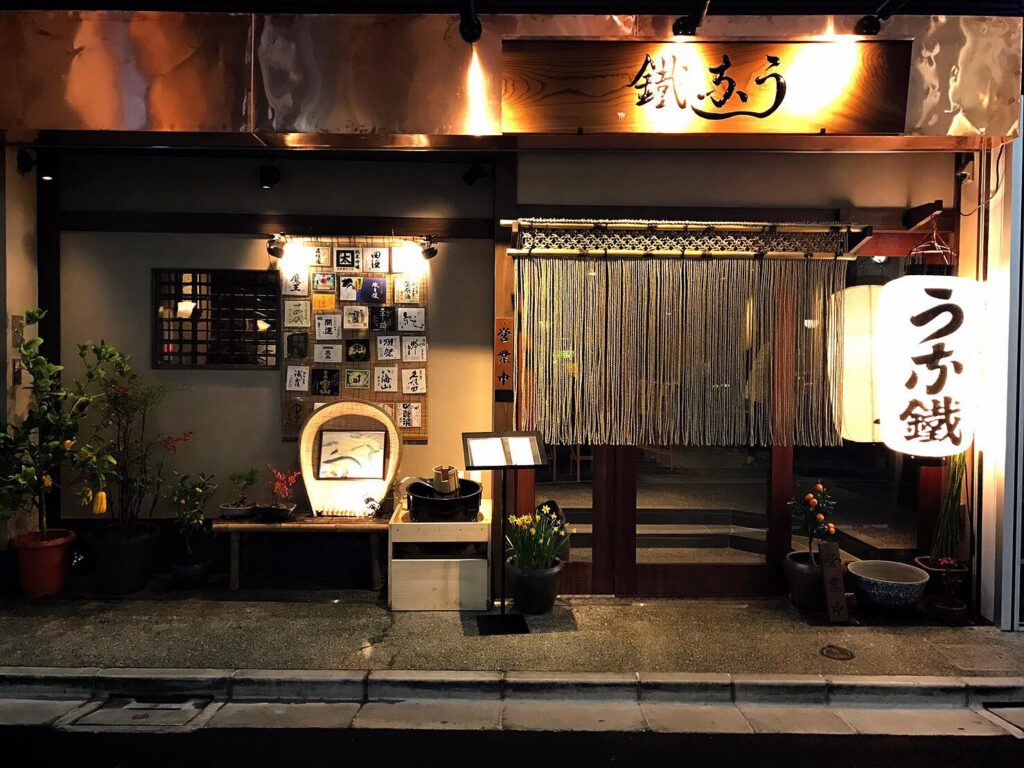
Just a five-minute walk from the west exit of Shinjuku Station, Shinjuku Unatetsu has built a loyal following for offering premium-quality unagi at surprisingly accessible prices.
The signature dish is hitsumabushi — a generous serving of crispy, charcoal-grilled eel over rice that can be enjoyed three ways: plain, with condiments, and finally poured over with dashi broth as a kind of ochazuke.
One bowl, three completely different experiences.
The restaurant is also celebrated for its eel skewers, which showcase different cuts from head to tail — a rare opportunity to appreciate the full range of textures and flavors the fish has to offer.
The counter seats, where diners can watch the artisans at work — hearing the eel being prepared and breathing in the charcoal smoke — are undoubtedly the best seats in the house.
Seating is limited, so arriving early is especially recommended at lunch.
Come for the exceptional eel; stay for a leisurely pairing with fine sake.
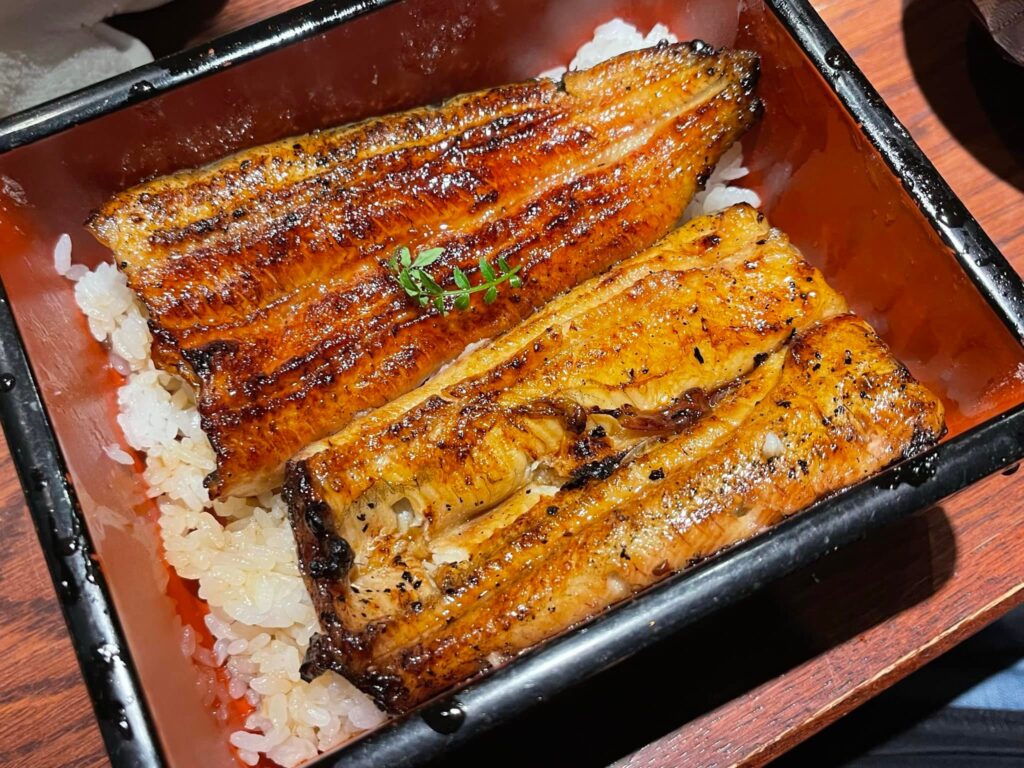
| Address | 〒160-0023 Palette Door Shinjuku B1F, 7-16-12 Nishi-Shinjuku, Shinjuku-ku, Tokyo |
|---|---|
| Getting There |
Approx. 7 min walk from the West Exit of Shinjuku Station (JR) Approx. 4 min walk from Exit D5 of Shinjuku-Nishiguchi Station (Toei Oedo Line) |
| Hours |
Lunch: 11:00 – 14:30 (L.O.) Dinner: 17:00 – 21:00 (L.O.) ※ Open daily (except building closure days) |
| Estimated Budget |
¥2,500 – ¥4,500 ※ Approximate prices as of 2026. Subject to variation depending on menu selection. |
| Highlights | Among the best value-for-money eel restaurants in the Shinjuku area. Popular for authentic Nagoya-style hitsumabushi. Outstanding freshness and generous portions thanks to direct wholesale sourcing. |
| Venue Info | Tucked away on the basement floor — a hidden-gem atmosphere. Counter and table seating available. |
| Tabelog | https://tabelog.com/tokyo/A1304/A130401/13010956/ |
Yama no Chaya
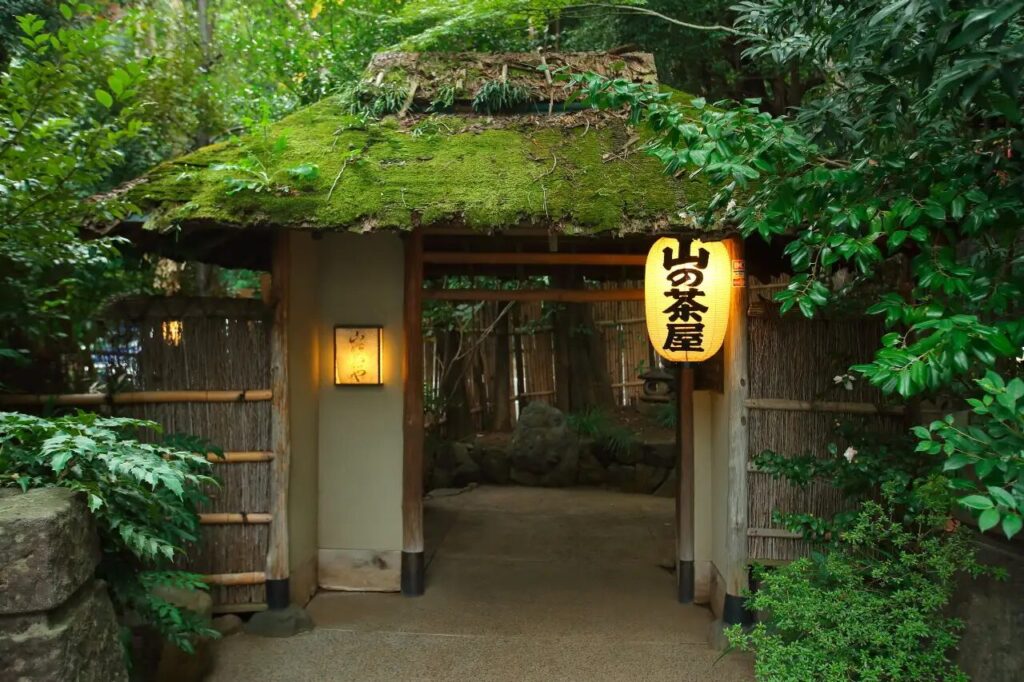
A five-minute walk from Exit 5 of Kokkai-gijidomae Station, nestled in a tranquil, green-shrouded setting, Yama no Chaya (“Mountain Teahouse”) is a standalone unagi specialty restaurant with a deeply serene atmosphere.
The house signature is kabayaki — eel that has been split, skewered, and grilled to golden, fragrant perfection — served with a secret tare sauce that has been continuously replenished for an extraordinary 390 years.
The story goes that during wartime, the tare was buried underground to protect it from destruction — a testament to just how fiercely this flavor has been guarded across the generations.
It is a taste that cannot be found anywhere else: a living piece of culinary history beloved by devoted eel enthusiasts for centuries.

| Address | 〒100-0014 2-10-6 Nagatacho, Chiyoda-ku, Tokyo |
|---|---|
| Getting There |
Approx. 3 min walk from Exit 11 of Akasaka-Mitsuke Station (Tokyo Metro) Approx. 3 min walk from Exit 7 of Tameike-Sanno Station (Tokyo Metro) (Located partway up the stone steps of Hie Shrine's main approach) |
| Hours |
Lunch: 11:30 – 14:00 (last entry 13:00) Dinner: 17:00 – 21:00 (last entry 19:00) ※ Closed Sundays and public holidays |
| Estimated Budget |
Lunch: ¥10,000 – ¥12,000 Dinner: ¥15,000 – ¥25,000 ※ Approximate prices as of 2026. Dinner is primarily course-based. |
| Highlights | Founded approximately 400 years ago. A secret tare preserved and replenished for nearly 390 years. Charcoal-grilled over Kishu binchōtan. Atmospheric private rooms with views of the lush Hie Shrine forest. |
| Tabelog | https://tabelog.com/tokyo/A1308/A130802/13002739/ |
Chikuyotei Ginza
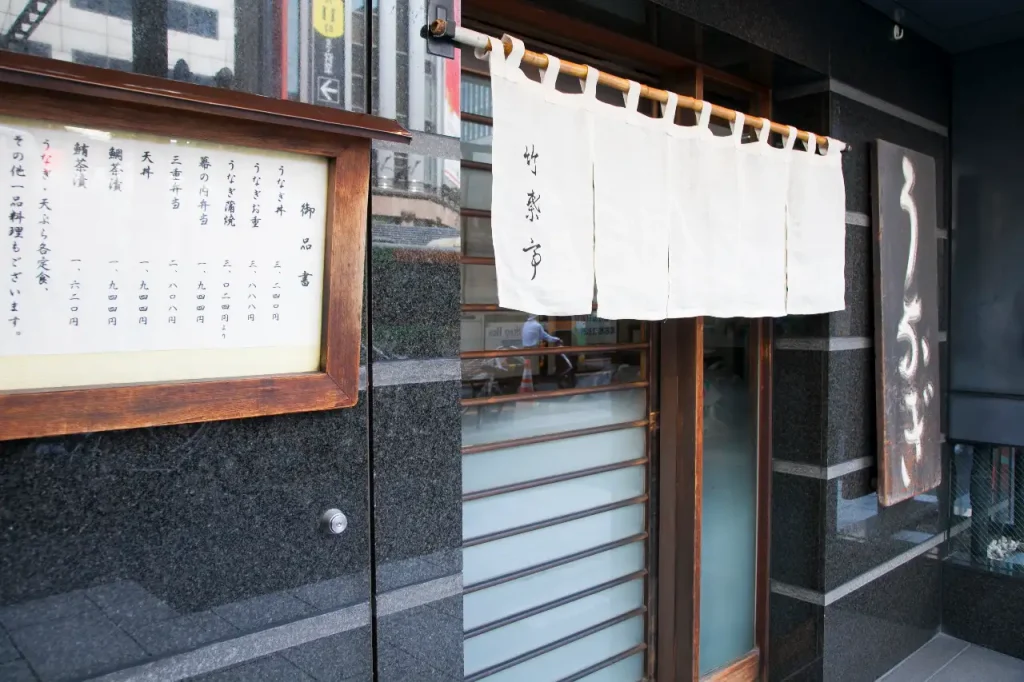
Tucked quietly into a corner of Ginza, Chikuyotei is a venerable unagi restaurant founded during the Meiji era.
Despite its location at the heart of one of Tokyo’s most bustling districts, the interior is remarkably hushed and composed — a refined Japanese space that carries the quiet authority of a true institution.
The house tare, inherited from the restaurant’s founding and refined over more than a century, has an elegant, clean flavor that never overwhelms.
The kabayaki is, of course, exceptional, but the shirayaki — eel grilled plain without any sauce, allowing the eel’s natural richness to speak for itself — is a dish that true connoisseurs return for time and again.
Seating includes both Western-style table chairs and spacious tatami rooms; note that the tatami rooms are exclusively for course-menu reservations, making them ideal for a truly special evening.
For anyone who wants to savor tradition at a measured, unhurried pace, Chikuyotei is the definitive choice.

| Address | 〒104-0061 5-8-3 Ginza, Chuo-ku, Tokyo |
|---|---|
| Getting There |
Approx. 1 min walk from Exit A5 of Ginza Station (Tokyo Metro) Approx. 7 min walk from Yurakucho Station (JR) |
| Hours |
11:00 – 20:30 (L.O.) ※ Continuous service with no afternoon break. ※ Open daily (except temporary closures) |
| Estimated Budget |
¥5,000 – ¥10,000 ※ Approximate prices as of 2026. Subject to variation depending on food and drink ordered. |
| Highlights | A landmark Ginza institution founded in the Meiji era. Traditional Edo-style eel steamed to pillowy tenderness. The shirayaki and Edo-style hitsumabushi served with dashi broth are not to be missed. |
| Tabelog | https://tabelog.com/tokyo/A1301/A130101/13002552/ |
Sumiyaki Una-Fuji Yurakucho
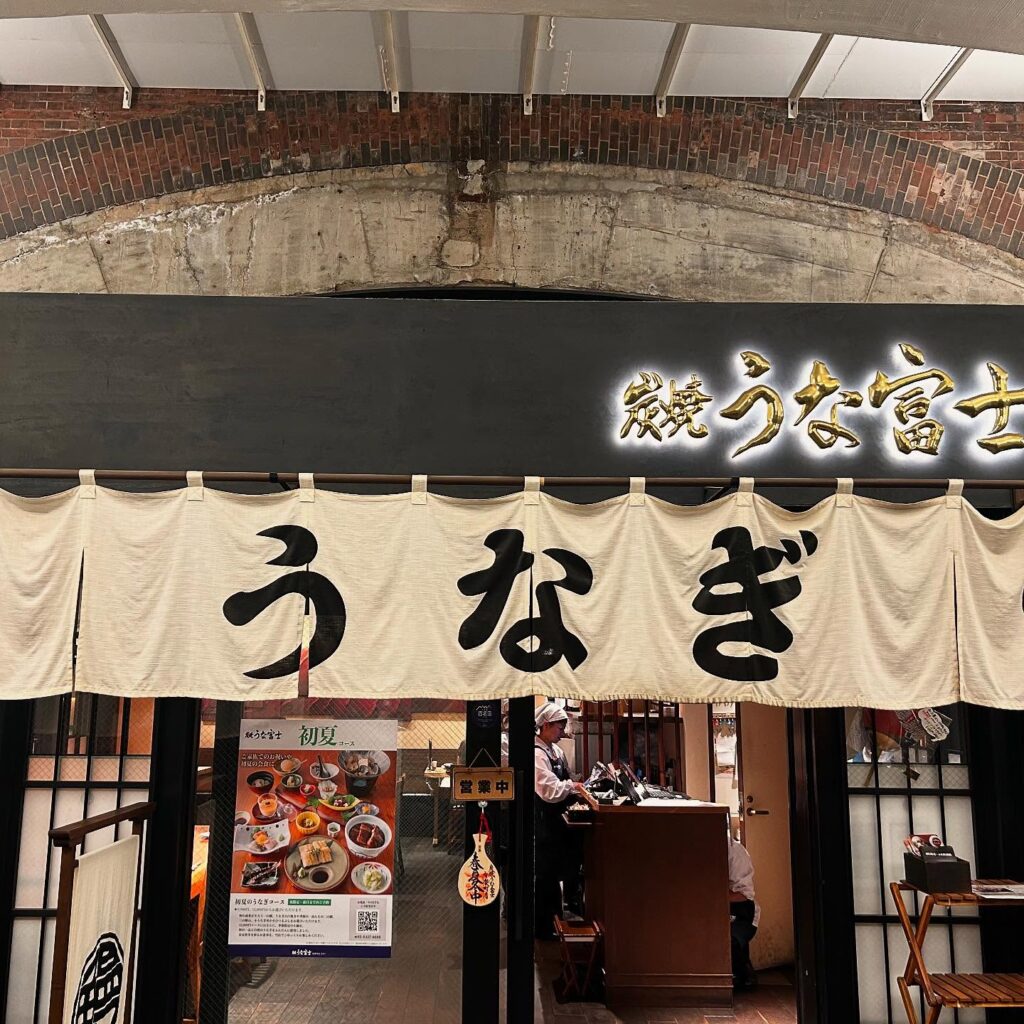
A three-minute walk from Yurakucho Station, Sumiyaki Una-Fuji enjoys one of the most convenient locations in central Tokyo.
It is a sister restaurant of the celebrated Nagoya original, which has earned Michelin recognition, four consecutive Tabelog Award wins, and three consecutive selections to Tabelog’s prestigious “100 Best” list — an extraordinary pedigree.
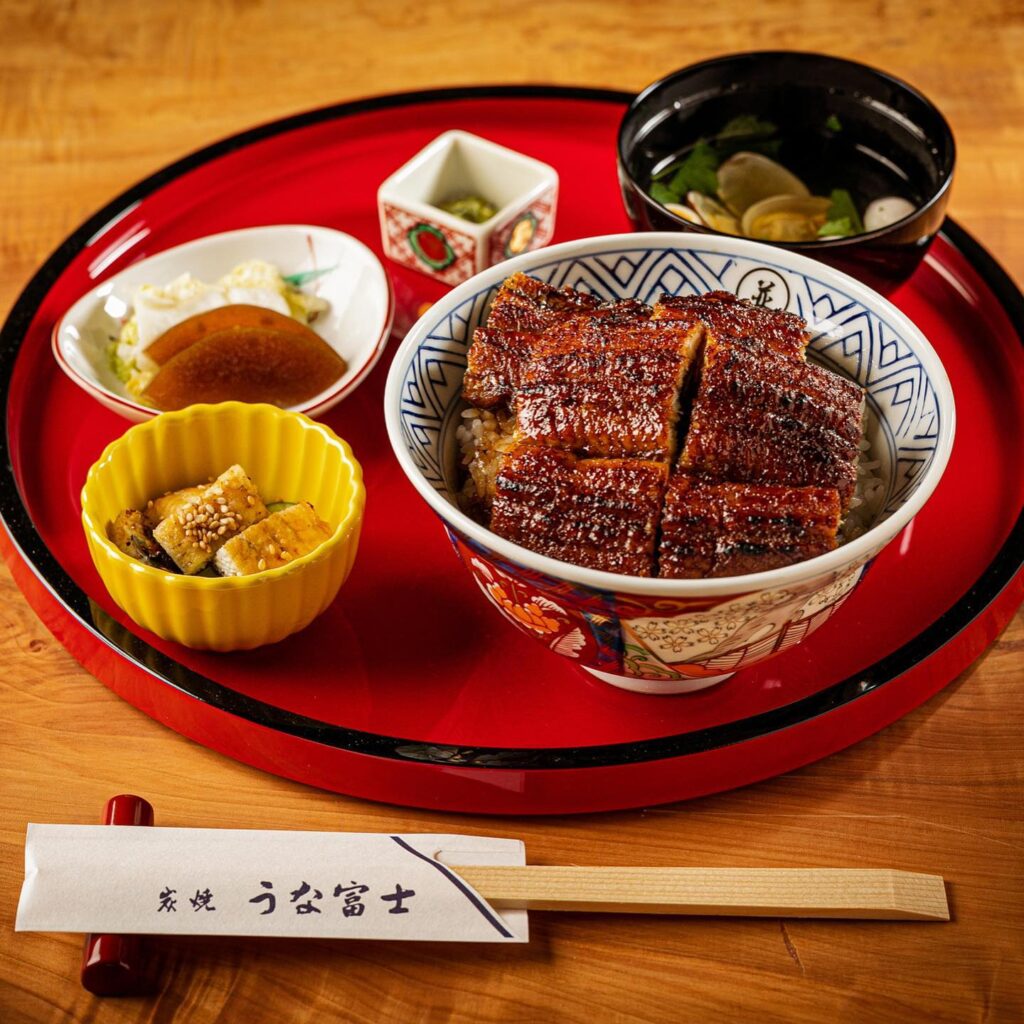
At the Tokyo branch, that same pedigree translates into a “jiyaki” (direct-grill) style, using carefully selected domestic eel grilled directly over binchōtan charcoal without any steaming.
Cooking the eel over intense charcoal heat in a single pass produces a skin that crackles with every bite, while the flesh remains succulent and almost melting inside.
The standout order is the “Fuji-ju” — a lavishly topped box set that is as visually impressive as it is satisfying.
Lunch tends to be more accessible, but evenings fill up quickly, so reservations are strongly recommended.
If you’re serious about finding the best unagi in Tokyo, Una-Fuji belongs at the top of your list.
| Address | 〒100-0006 Yurakucho Itoshia B1F, 2-7-1 Yurakucho, Chiyoda-ku, Tokyo |
|---|---|
| Getting There |
Approx. 1 min walk from the Central Exit of Yurakucho Station (JR) Direct connection from Exit D7-b of Yurakucho Station (Tokyo Metro) |
| Hours |
11:00 – 22:00 (L.O. 21:30) ※ Continuous service. Hours follow Itoshia mall hours. ※ Open daily (except New Year's Day and Itoshia closure days) |
| Estimated Budget |
Lunch: ¥3,000 – ¥5,000 Dinner: ¥5,000 – ¥8,000 ※ Approximate prices as of 2026. |
| Highlights | Nagoya-style jiyaki (direct charcoal grill, no steaming). Standout binchōtan-charcoal aroma and crispy texture. Excellent hitsumabushi. Direct station access and a bright, well-maintained dining room. |
| Tabelog | https://tabelog.com/tokyo/A1301/A130103/13250032/ |
Final Thoughts

Eel occupies a singular place in Japanese food culture — a prized ingredient woven into history, seasonality, and the devoted craft of skilled artisans.
As this guide has shown, Tokyo is home to an extraordinarily diverse range of unagi restaurants, each with its own philosophy, its own techniques, and its own deeply personal flavor.
From storied high-end establishments to welcoming neighborhood spots, there is a unagi restaurant suited to every occasion and every budget.
As the summer heat sets in and appetites begin to flag, eel’s legendary restorative properties make it the ideal dish for the season.
Find your favorite, make it a regular destination, and let Japan’s most enduring culinary tradition become a part of your own.
It’s also worth noting that unagi cuisine varies considerably from region to region across Japan, so when you travel, seek out the local interpretation — it’s a rewarding dimension of the country’s rich food geography.
A meal at a serious unagi restaurant is more than dinner; it is an encounter with centuries of Japanese craftsmanship, tradition, and taste.
Whenever the opportunity arises, seek out a restaurant that takes its craft seriously and allow yourself to experience just how profound that tradition can be.