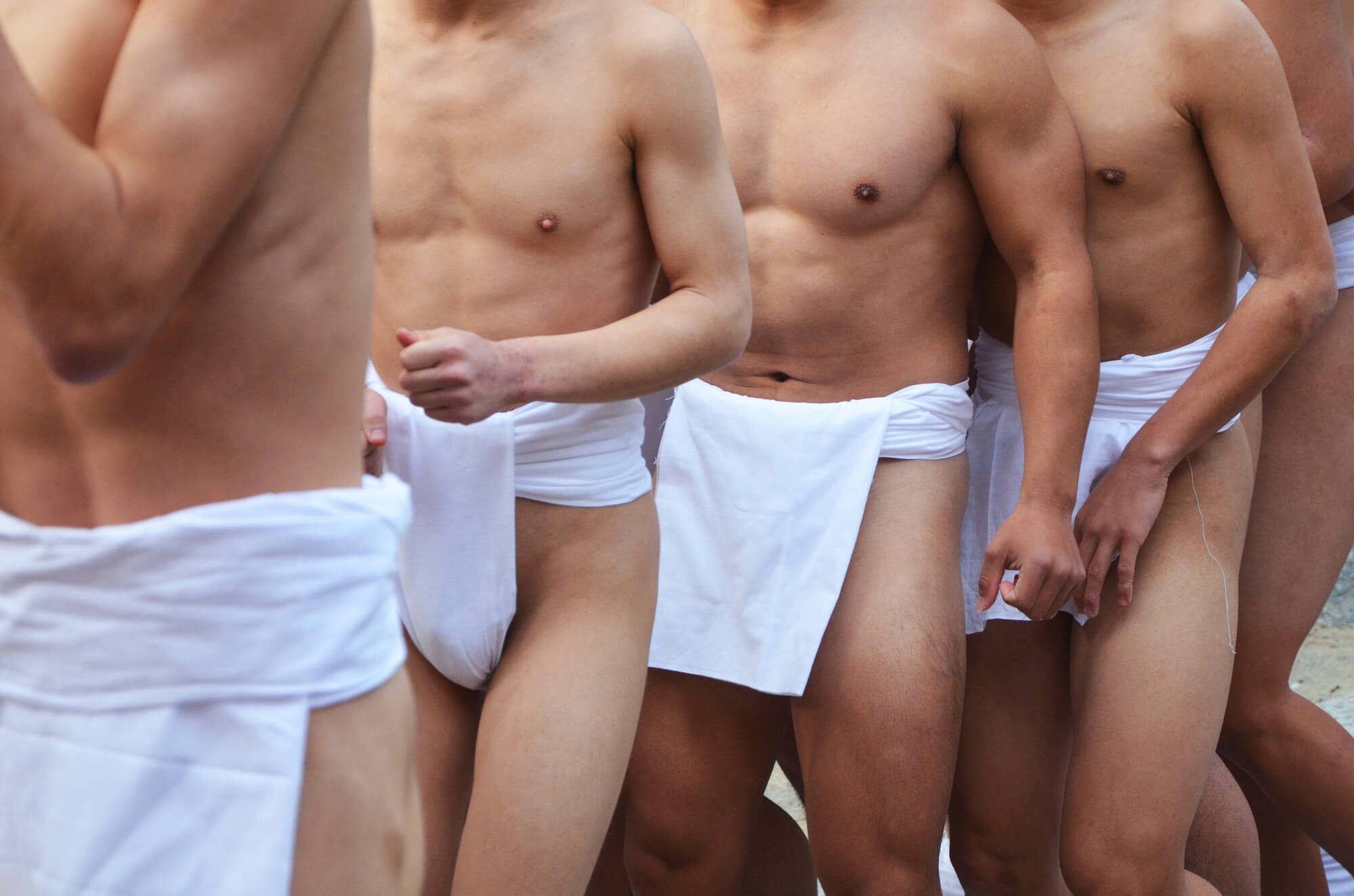
The fundoshi, Japan’s traditional style of underwear, is once again drawing attention.
Prized for its constriction-free comfort and excellent breathability, it’s catching on with a younger generation increasingly focused on health and wellness.
With an ever-growing range of styles and designs, the fundoshi has evolved into a refined item that fits naturally into modern life.
This guide covers everything from fundoshi basics to how to choose the right one for you.
What Exactly Is a Fundoshi?
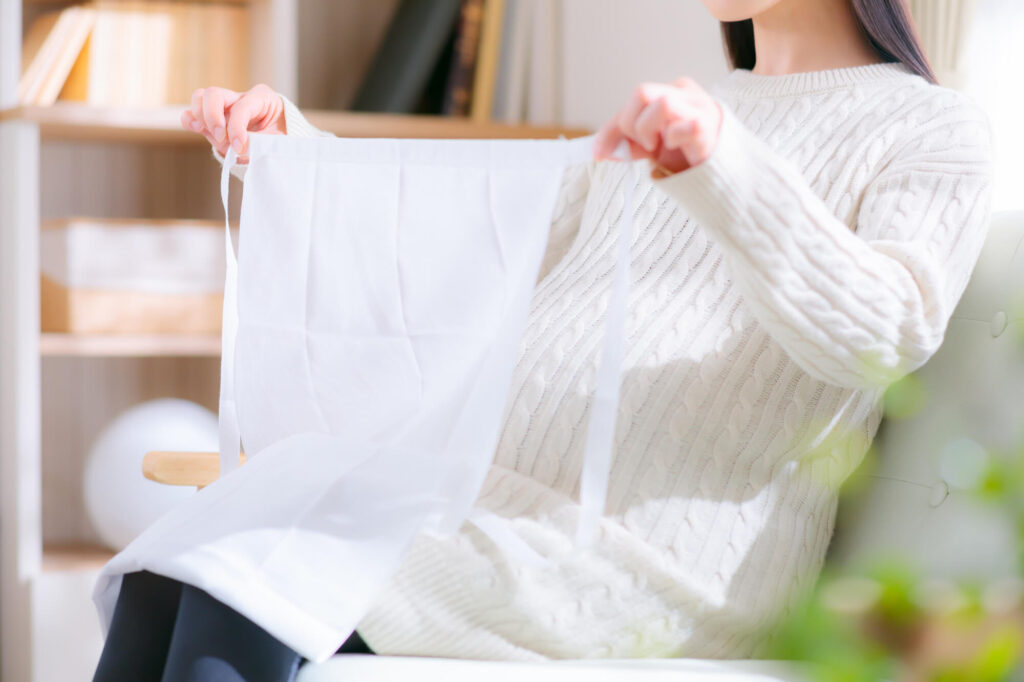
A fundoshi is a traditional form of Japanese underwear with roots stretching back centuries.
Its design is simple: a long strip of cloth is wrapped around the waist and secured to cover the groin.
With little to no elastic or stitching, it places minimal pressure on the body.
Today it’s worn mainly as men’s underwear, though its comfort has fueled a growing number of women’s versions as well.
Many people picture the fundoshi as formal traditional dress worn at festivals or in martial arts, but in recent years it has expanded into versions designed for everyday wear, sleepwear, and sports.
Far from its once-rugged image, many modern, stylish designs are now on the market, winning fans across a wide range of age groups.
The History of Fundoshi
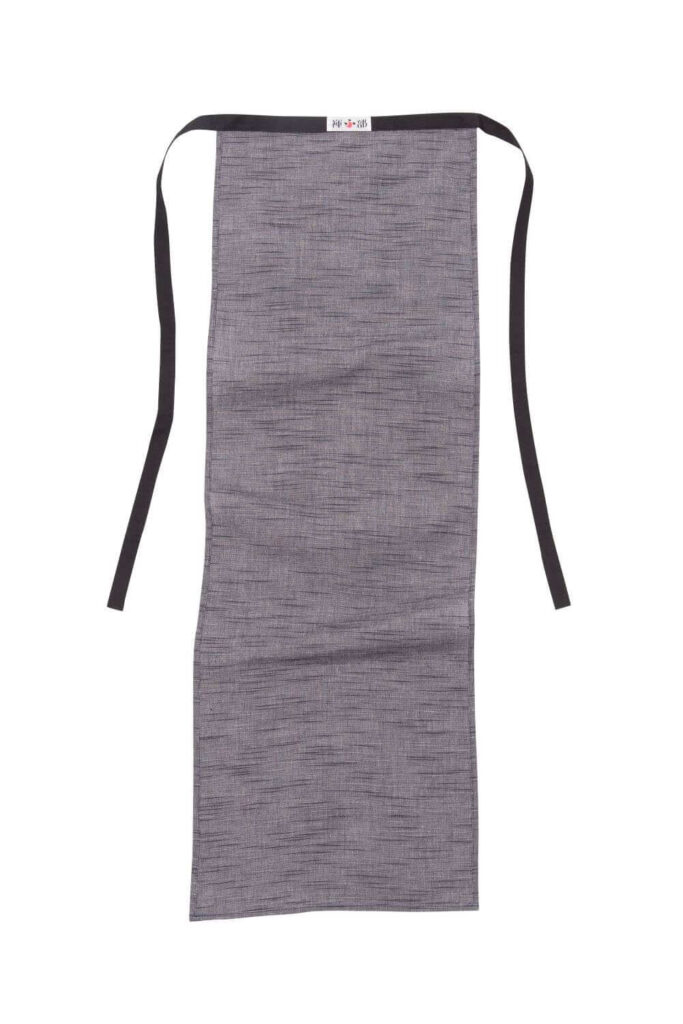
The fundoshi has a long history, with some accounts tracing its origins as far back as the Jomon and Yayoi periods.
Clear written records appear from the Nara period onward, when it was worn mainly by samurai, farmers, and other laborers.
By the Edo period, the fundoshi had spread widely among ordinary townspeople.
The Etchu fundoshi in particular, prized for how easy it was to put on and take off, became an everyday staple that
remained popular through the Meiji, Taisho, and early Showa eras.
During the Edo period, when public bathhouse culture flourished, it was a common sight to see men bathing in fundoshi, showing just how deeply rooted it was as everyday menswear.
Demand later dipped as Western-style briefs and boxers spread under Western cultural influence, but the fundoshi has been making a comeback since the 2000s, driven by the health and wellness boom and a renewed appreciation for traditional Japanese culture.
Today, with a far wider range of materials and designs, it’s winning over a new generation of fans as an item that blends tradition with modern style.
What Are the Benefits of Wearing a Fundoshi?
The biggest benefit of wearing a fundoshi is its outstanding comfort.
No Constriction, Total Freedom of Movement
Since it uses no elastic, there’s almost no pressure on the waist or groin.
That’s a major plus if you tend to feel constricted during long hours at a desk or while sleeping.
Many styles let you adjust the tightness yourself, so you can dial in the fit that feels best.
Reduced pressure on the lower body is also said to improve circulation, which can help with poor circulation and cold extremities.
Breathable and Resistant to Moisture
Because it uses less fabric and has such a simple structure, airflow is excellent.
It resists trapping moisture even when you’re sweating heavily — in summer or during exercise, for example — and may help curb bacterial growth as a result.
It’s especially worth considering if you have sensitive skin or tend to worry about moisture buildup.
Choosing a natural-fiber fabric boosts moisture absorption even further, keeping that comfortable feel going all day.
A Design Evolution: From Plain Loincloth to Stylish Underwear
Gone is the plain, utilitarian image of the past — today’s fundoshi comes in a huge range of designs, from traditional Japanese patterns to solid colors and bold prints.
Major underwear brands have entered the market too, helping establish the fundoshi as a stylish, functional piece of modern underwear in its own right.
Some fans even style their fundoshi to show intentionally as part of an outfit, opening up its potential as a genuine fashion item.
How to Choose the Right Fundoshi
Here are three key things to look at when choosing a fundoshi.
Choose a Fundoshi Style Based on Your Preferred Fit
Fundoshi come in several distinct styles, each with its own shape and feel.
Choosing the one that matches your lifestyle and purpose is key.
Rokushaku Fundoshi & Kuroneko Fundoshi|Best for Maximum Breathability
The rokushaku fundoshi is a traditional style made from a single long strip of cloth, roughly 180–300 cm, wrapped around the waist.
Since the back sits close to a T-back shape, it offers exceptional breathability and freedom around the rear.
It also works well for festivals and martial arts, making it a great choice if you want the full, authentic fundoshi experience.
The kuroneko fundoshi secures itself by crossing the strings at the rear, making it somewhat easier to put on and take off than the rokushaku.
That said, both styles take a bit of practice to tie correctly, so it may take some time to get the hang of it.
Etchu Fundoshi|The Perfect Balance of Comfort and Ease of Use
This style has a waist string attached to a cloth panel that wraps the seat, with a front flap that’s tucked between the legs to hold it in place.
Because you can freely adjust how tight the string is, it’s easy to dial in a fit that suits you.
The cloth wrapping the seat also helps absorb sweat, which is a nice bonus.
With its simple construction, it’s easy to put on, take off, and wash — making it especially recommended if you’re trying a fundoshi for the first time.
Mokko Fundoshi & Fundoshi Pants|For an Everyday Underwear Feel
The mokko fundoshi has no front flap and looks more like a string-tie pair of underwear — the appeal is how simple it is to wear, just tied at the side of the waist.
It barely shows under clothing and feels much like ordinary underwear.
Taking that ease even further, “fundoshi pants” can be pulled on just like regular underwear, making them an easy entry point even for total beginners.
If you just want to try a fundoshi once and see how it feels, starting with fundoshi pants is the way to go.
Breathability or Convenience? Comparing Fundoshi Fabrics
The fabric makes a big difference in both feel and function, so choose based on the experience you’re after.
Silk & Cotton (Natural Fibers)|Best for Sensitive Skin
Natural fibers offer excellent moisture absorption and breathability, along with a soft feel against the skin.
Because it wraps the skin so gently, silk is especially recommended if you have sensitive skin or are prone to skin irritation.
Cotton, on the other hand, can feel a bit stiff depending on the specific product, so it’s worth checking reviews before you buy.
Silk comes at a higher price point, but it’s the fabric of choice if you want to keep skin irritation to an absolute minimum.
Nylon & Polyester|Best for Easy Care
Synthetic fibers stretch well and hold their shape, which is their biggest strength.
They resist wrinkling and dry quickly after washing, making them well suited to everyday use.
Keep in mind, though, that they absorb moisture less effectively than natural fibers.
If you sweat heavily or have sensitive skin, it’s worth considering a natural-fiber option instead.
Don’t Forget About Design
Fundoshi also come in a wide variety of designs, so since you’re choosing one anyway, why not pick a favorite that lifts your mood?
Plain or single-motif designs are versatile for any occasion, with the added benefit of staying virtually invisible under clothing.
Choosing a color or pattern that isn’t too flashy means it’ll blend in naturally even if it happens to peek through.
Traditional Japanese motifs — florals, cranes, dragons, and the like — offer the distinct pleasure of wearing a piece of Japan’s traditional aesthetic.
Pairing a traditional fundoshi style with a traditional Japanese pattern is bound to lift your spirits every time you put it on.
If you want to fully embrace fundoshi culture while you’re at it, we’d definitely recommend starting with a traditional Japanese design.
Our Ranking of 52 Popular Fundoshi Products
Out of the many products out there, here are some standout picks worth a closer look.
No. 1: Wacoal — Fundoshi NEXT (¥2,750)
A modern take on the fundoshi from one of Japan’s leading innerwear brands.
Made of nylon, it combines a smooth feel with solid breathability, and being made in Japan adds to its quality appeal.
Its simple, refined design also makes it perfect for everyday wear.
It’s an excellent choice if you’re trying a fundoshi for the very first time.
No. 2: Fundoshi — Rokushaku Fundoshi (¥750)
A simple, 100% cotton rokushaku fundoshi.
Available in eight colors including purple, red, and navy, with a one-size-fits-most cut that’s easy to wear.
Each piece is carefully hand-sewn in Hirado, Nagasaki Prefecture — a genuine made-in-Japan product.
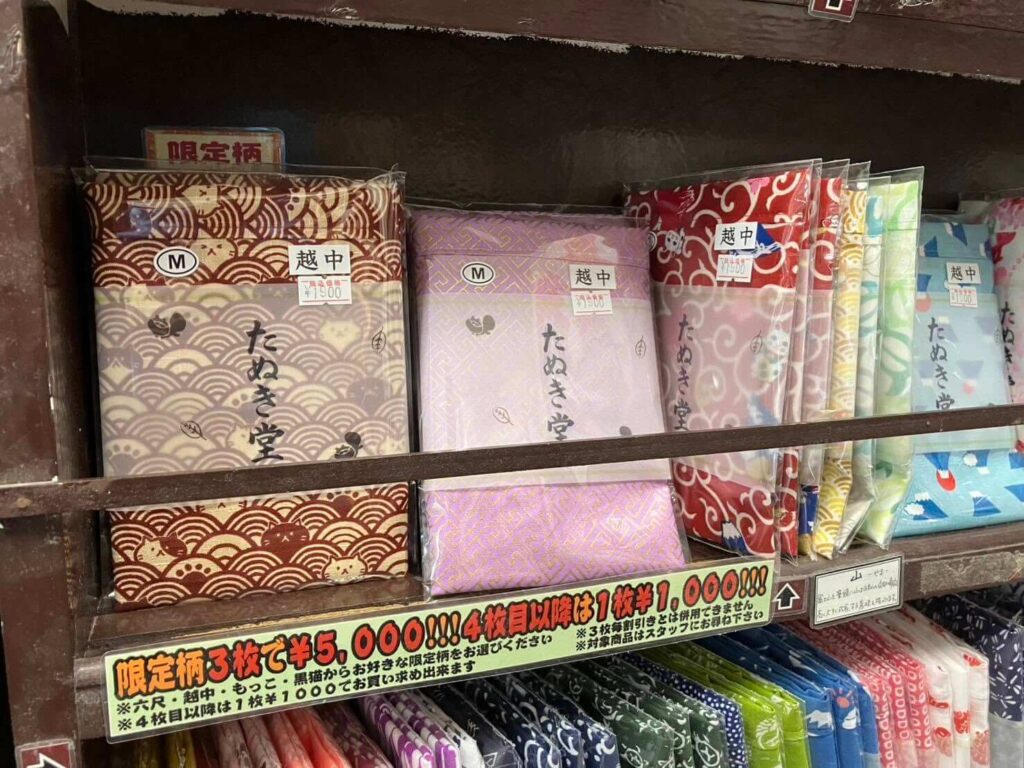
No. 3: Fundoshi Senmonten Tanukidou — Rokushaku Fundoshi (¥1,250)
Made from moss crepe, a cotton fabric with a finer weave than standard cotton.
It offers excellent moisture absorption and breathability, and comes in two sizes — M (about 240 cm) and L (about 280 cm) — making it easy to find a fit for your body type.
No. 4: Delight Base — Etchu Fundoshi (¥2,970)
An Etchu fundoshi that comes with an embroidery service for your choice of text or name.
You can freely adjust the tightness, and the design is highly breathable and resists moisture buildup — it also makes a great gift.
No. 8: Maaru — Taiyo Pants (¥4,290)
A refreshingly light fabric blend of 85% organic cotton and 15% linen.
With no elastic around the leg openings, it doesn’t squeeze the groin and resists trapping moisture.
Especially recommended if you’re particular about choosing skin-friendly materials.
How Do You Tie a Fundoshi?
The tying method differs by style, but here we’ll walk through the steps for the two most common types: the Etchu fundoshi and the mokko fundoshi.
It might feel tricky at first, but once you get used to it, putting one on becomes second nature.
How to Tie an Etchu Fundoshi
| Step | How to Tie It | Pro Tips for a Stylish Finish |
|---|---|---|
| 👘 Step 1 | Place the cloth against your lower back, then bring both side strings forward and tie them in front of your stomach. | Press the cloth snugly against your lower back without leaving slack — keeping an even, comfortable tightness here is the key first step to a clean silhouette that won't shift out of place. |
| 🌿 Step 2 | Pass the cloth hanging down from the back (the front flap) between your legs and bring it forward. | Gently pull it up along the curve of your body without letting it twist — that's the secret to an all-day comfortable fit. |
| ✨ Step 3 | Tuck the cloth under the string tied in front and let it hang at a comfortable length to finish. | This "hang" is what gives the look its stylish edge, so check the mirror and find the balance that feels right for you. |
Since the knot lets you adjust the tightness, the trick is to tie it looser on relaxed days and firmer when you need it to stay securely in place.
How to Tie a Mokko Fundoshi
| Step | How to Tie It | Pro Tips for a Stylish Finish |
|---|---|---|
| 🩲 Step 1 | Straddle the cloth so two strings line up on one side, then pull it on like a pair of underwear. | Keep track of which side is the front and back as you pull it up, so the two strings line up neatly at one hip. The trick is finding the position where it sits smoothly under your clothes, just like any other piece of innerwear. |
| 🎀 Step 2 | Tie the strings in a bow at the side of your waist to finish. | Bring the knot around to the side, near your hip bone, and tie it there in a bow. Keeping the knot off to the side rather than in front gives you the crisp, dignified posture distinctive to traditional Japanese dress. |
The simplicity of finishing with just a bow is the appeal here.
It feels close to wearing regular underwear, so even first-timers get used to it quickly.
Final Thoughts
The fundoshi is a piece of traditional Japanese underwear that Japan takes pride in — and one that keeps evolving to fit modern lifestyles.
With constriction-free comfort, excellent breathability, and a wide range of designs to choose from, it’s never been easier
to give one a try, even if you’ve never worn one before.
Pick the style, fabric, and design that match what you’re looking for, and experience the comfort of a fundoshi for yourself.
We’d recommend starting with something approachable like fundoshi pants or an Etchu fundoshi, then stepping up to a more traditional style like the rokushaku fundoshi once you’re comfortable.
Find the one that’s right for you, and start enjoying a more comfortable fundoshi lifestyle.