Your complete guide to Tokyo after dark.
From breathtaking night views at Tokyo Skytree and Shibuya Scramble Crossing to authentic local experiences like izakaya pubs, karaoke, sento bathhouses, and late-night ramen — plus 10 area-by-area model itineraries — this guide covers everything you need to make the most of Tokyo’s nights, even on your very first visit.
Why Tokyo Nights Are Unlike Anywhere Else in the World
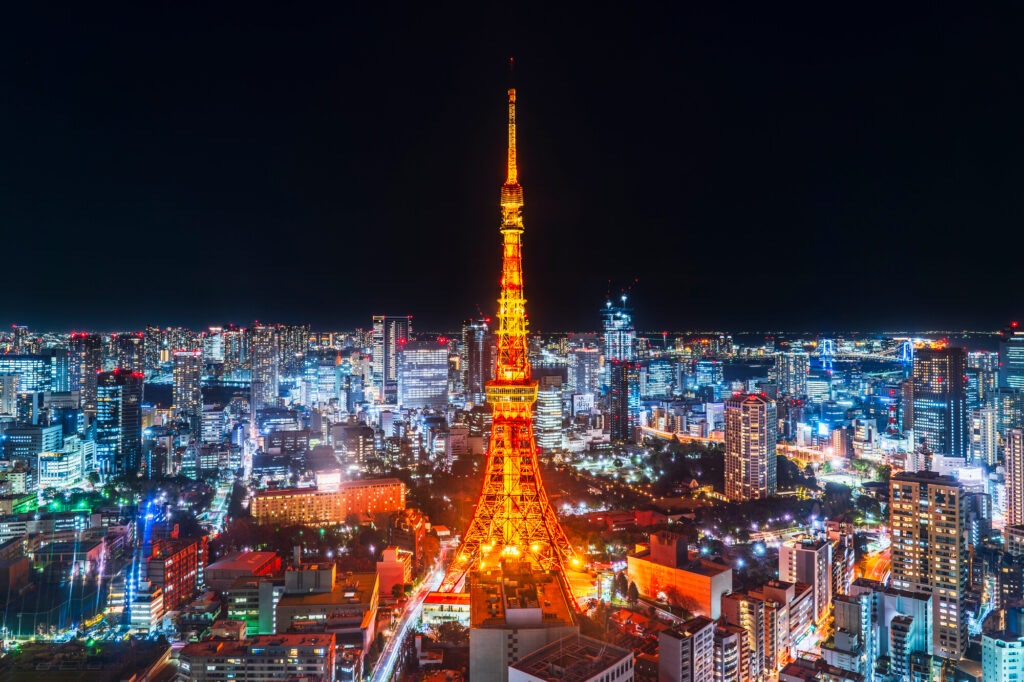
When the sun goes down, Tokyo transforms into an entirely different city.
Countless neon signs paint the streets in vivid color, and towering skyscrapers rise into the night sky like pillars of light.
It’s a side of Tokyo that couldn’t be more different from what you see by day.
Tokyo is often called a “24-hour city.”
Trains run late into the night, convenience stores glow on every corner, and ramen shops draw long queues well past midnight.
Many cities around the world offer beautiful nightscapes, but few shine as brilliantly across such a vast urban expanse — and none quite capture the pulse of everyday life the way Tokyo does after dark.
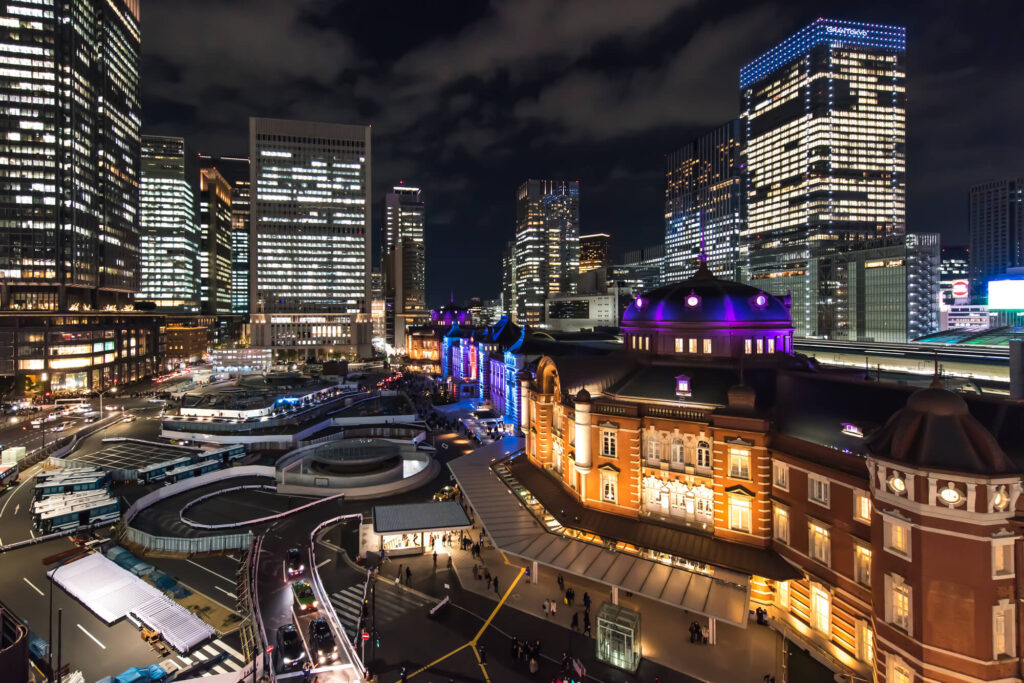
Tokyo is also one of the safest cities in the world. Well-maintained streets and public facilities, an exceptionally low crime rate, and locals who will go out of their way to help a lost traveler — these are just some of the reasons visitors can explore Tokyo at night with complete confidence.
First-timers can step out after dark and feel right at home.
Night views, world-class dining, entertainment, art, and authentic local culture like izakaya pubs and sento baths — this guide covers everything Tokyo’s nights have to offer.
Tokyo After Dark: What to Do and Where to Go
Stunning Night Views: Tokyo’s Best Spots
Seeing Tokyo’s skyline at night is one experience no visitor should miss.
The city is packed with observation spots, each offering a unique angle on the city’s brilliant glow.
Tokyo Skytree: Tembo Deck & Tembo Galleria
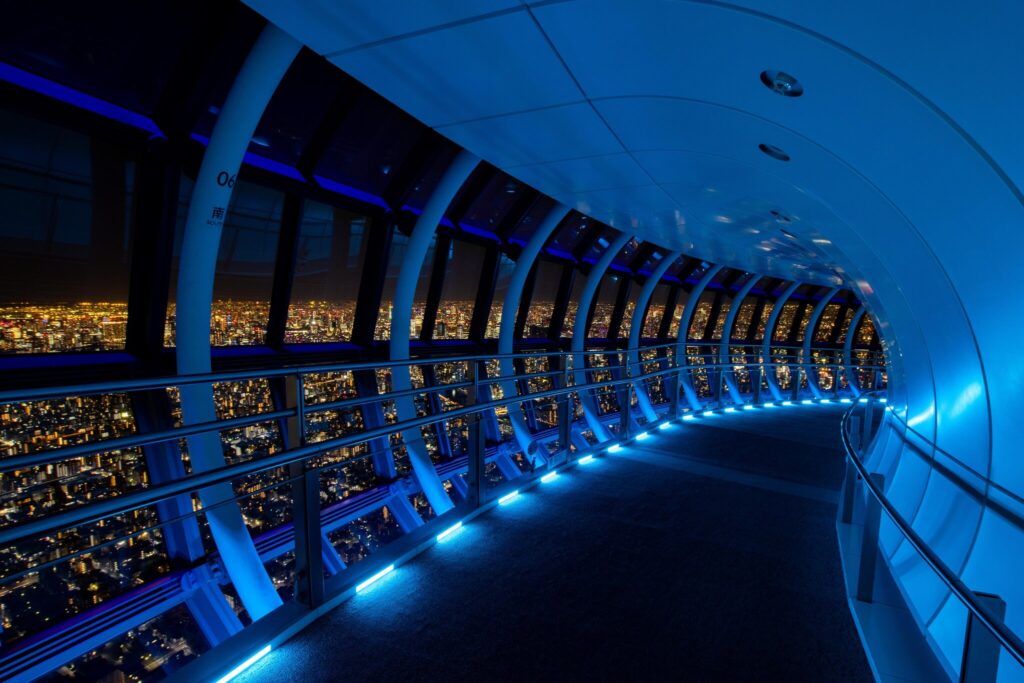
Standing 634 meters tall, Tokyo Skytree is the city’s most iconic landmark.
The night views from the Tembo Deck at 350 meters and the Tembo Galleria at 450 meters make you truly feel the vastness of Tokyo stretching out below.
On a clear night, you may even spot the silhouette of Mount Fuji on the horizon.
SHIBUYA SKY
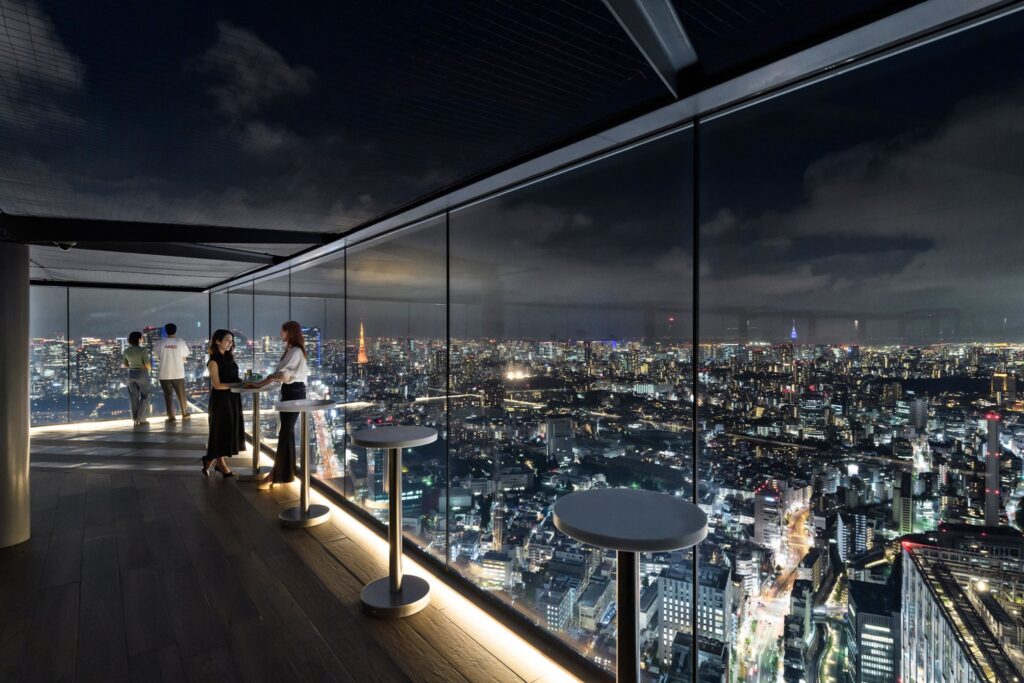
Perched atop Shibuya Scramble Square, SHIBUYA SKY offers something rare: a bird’s-eye view looking straight down onto the famous Shibuya Scramble Crossing.
You can feel the energy of the street below while taking in the full sweep of Tokyo’s night skyline — a perspective unlike any other.
Walking Tokyo’s Streets at Night
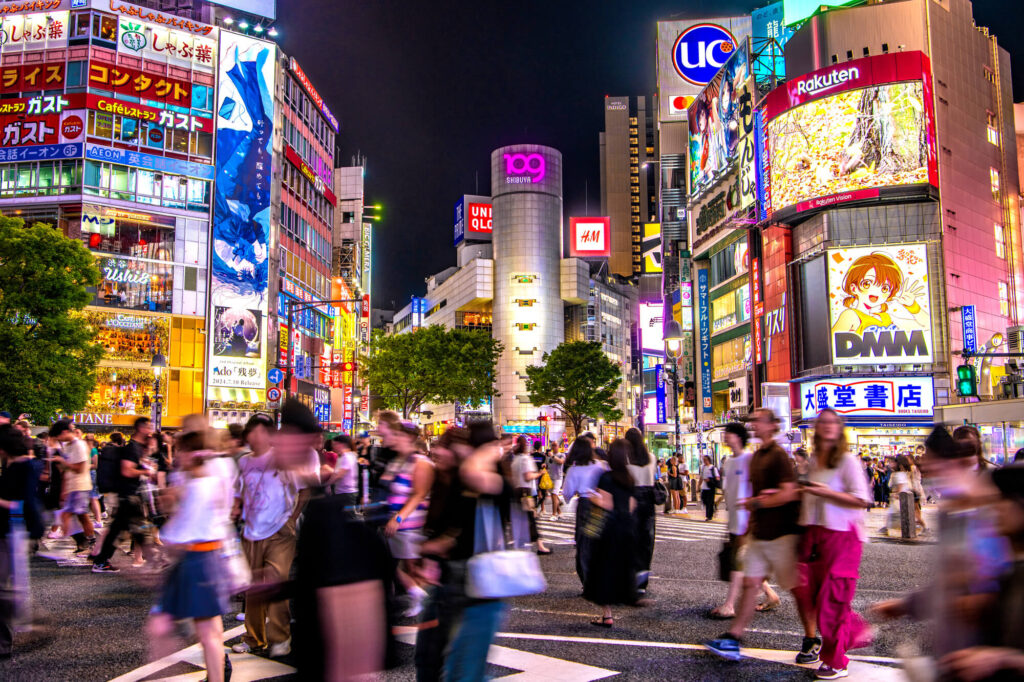
A great nightscape doesn’t have to be seen from above.
Walking through Shibuya Scramble Crossing, Shinjuku’s Kabukicho, or Akihabara’s Electric Town puts you right in the middle of a flood of glowing screens, neon signs, and streetlights — an experience that’s thrilling from the ground up.
Looking up at Tokyo Tower or Roppongi Hills against the night sky is equally unforgettable.
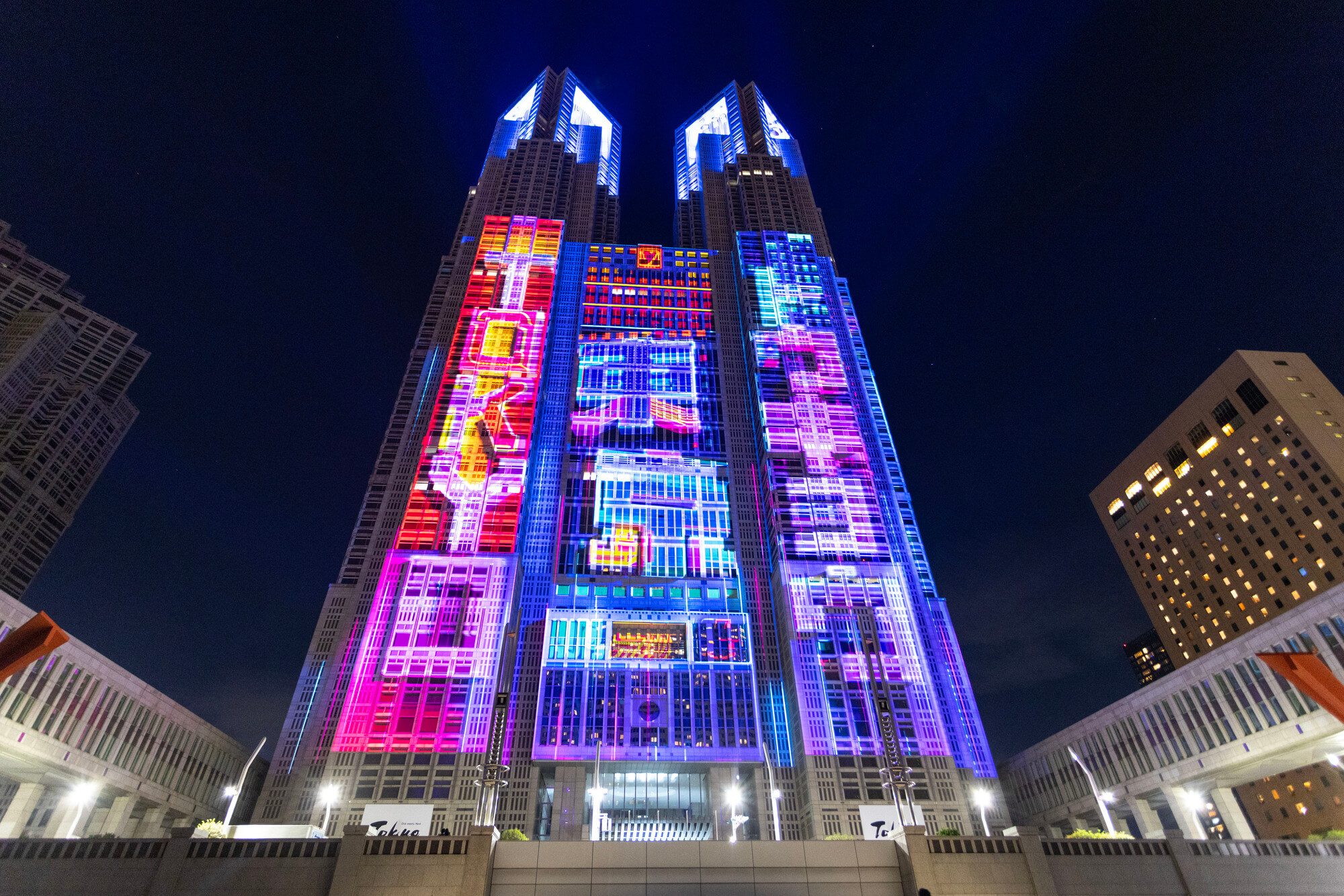
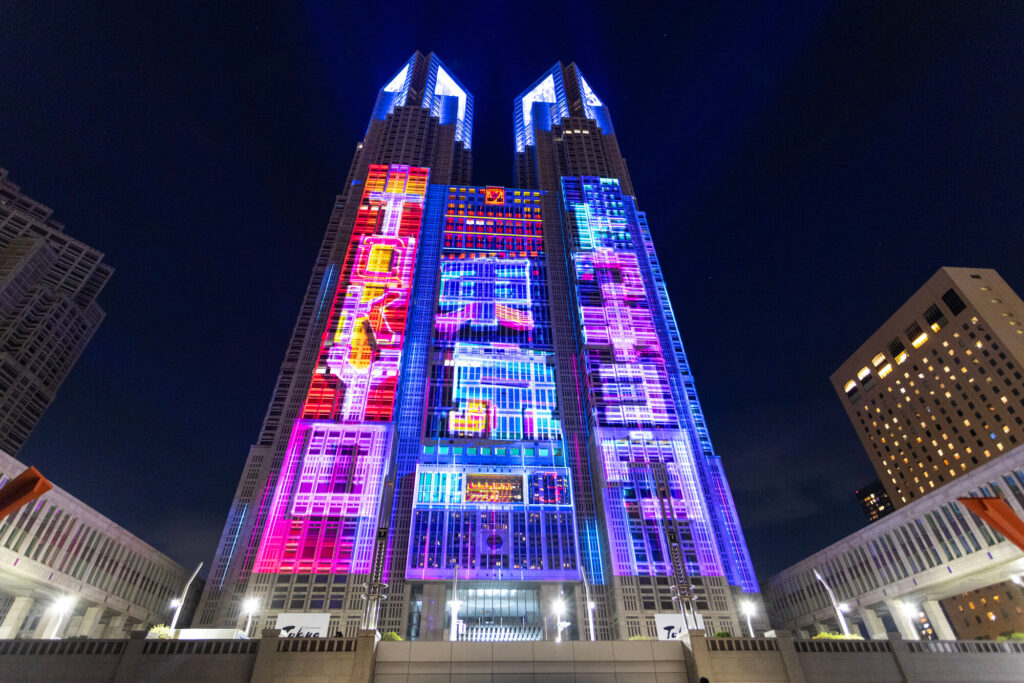
At Tokyo Metropolitan Government Building, a free projection mapping show called “TOKYO Night & Light” runs every evening.
Don’t miss the seasonal spectacles, either.
In autumn, the ginkgo-lined avenue at Meiji Jingu Gaien is lit up in golden hues, while winter transforms Omotesando and the area around Tokyo Station into dazzling illumination displays.
Leisure, Attractions & Art
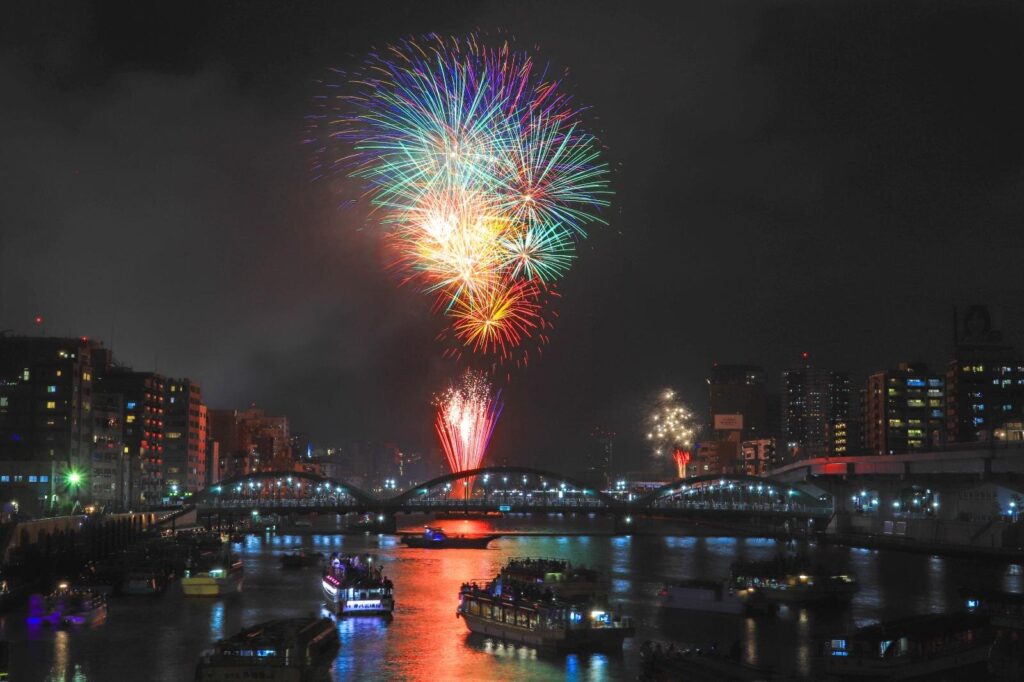
Tokyo nights aren’t just for looking — there’s plenty to do and experience.
On the waterfront, a Sumida River cruise lets you take in Tokyo’s glittering skyline from the water.
The shimmering reflections dancing on the river create a dreamlike scene that’s completely different from any rooftop view.
The Odaiba area offers sweeping views of the city across Tokyo Bay and is a popular spot for couples and families alike.
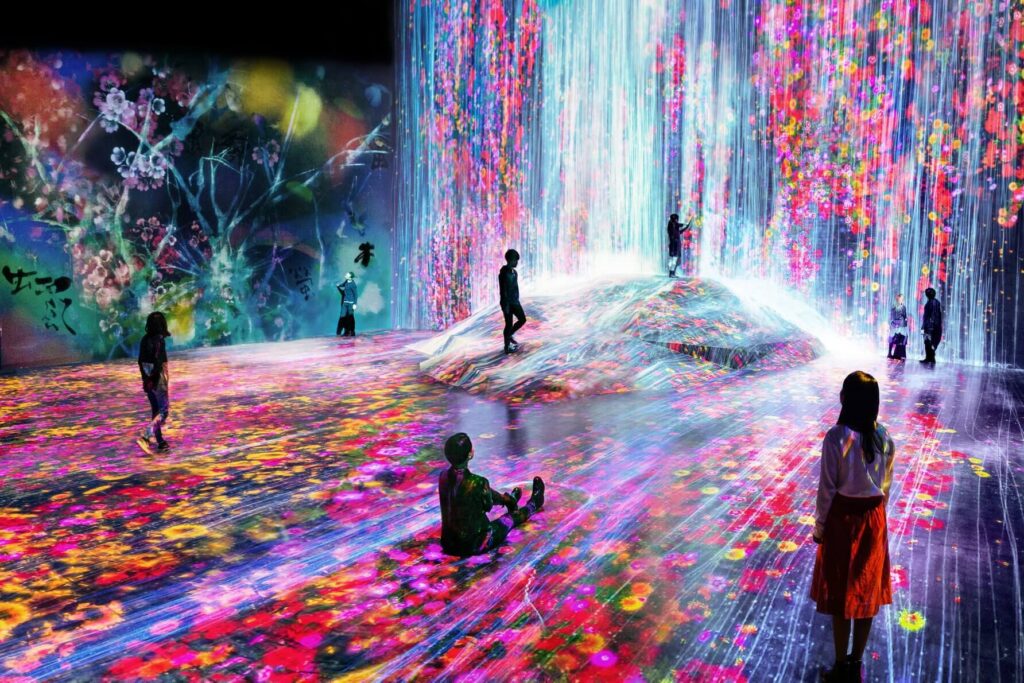
On the arts side, immersive art experience venues have been growing rapidly in recent years.
Spaces where cutting-edge digital art meets traditional Japanese aesthetics draw visitors around the clock, and are just as captivating by night.
If subculture is your thing, Akihabara is a must.
Famous as the Electric Town, this neighborhood takes on a unique glow after dark.
Anime, manga, and gaming shops stay open late into the night, making it a pilgrimage site for fans from around the world.
Tokyo’s Food Scene: A Night Out Tastes Even Better
Tokyo is home to more Michelin-starred restaurants than almost any other city in the world.
But the city’s culinary appeal goes far beyond fine dining.
Street food stalls buzzing late into the night, 24-hour ramen shops, and tucked-away izakaya pubs — Tokyo’s after-dark food scene is endlessly exciting.
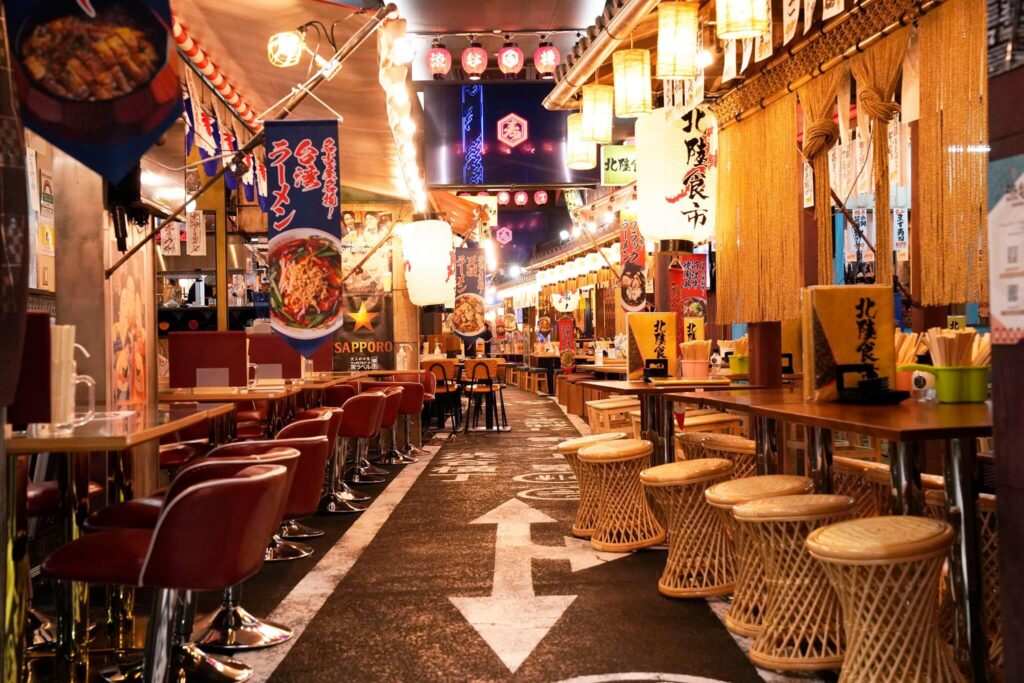
One local experience visitors love is exploring the city’s yokocho alleyways.
Places like Omoide Yokocho in Shinjuku and the restaurant alley under the train tracks near Yurakucho are rows of tiny drinking spots that have been around since the postwar era — the soul of Tokyo’s nightlife.
Sitting on a stool in a casual, no-frills setting, snacking on yakitori skewers and simmered offal over a cold drink, shows you a side of Tokyo that no upscale restaurant ever could.
Living Like a Local: How Tokyoites Spend Their Evenings
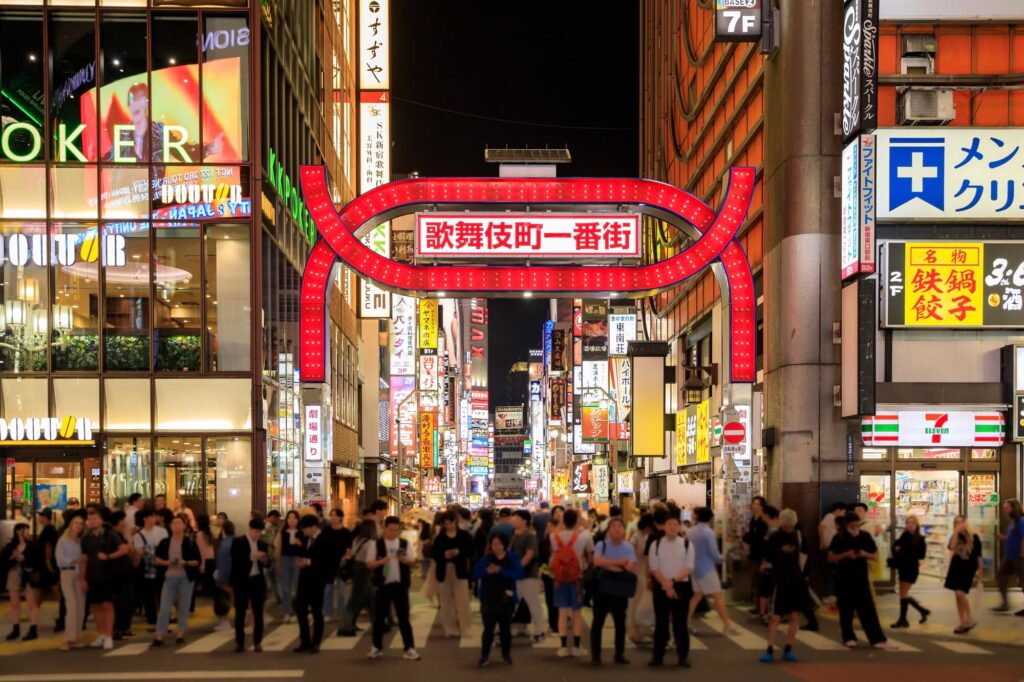
Sightseeing is only part of travel.
Experiencing the nightlife the way locals actually live it gives you a much deeper understanding of Tokyo — and memories that will last a lifetime.
Dive Into Izakaya Culture
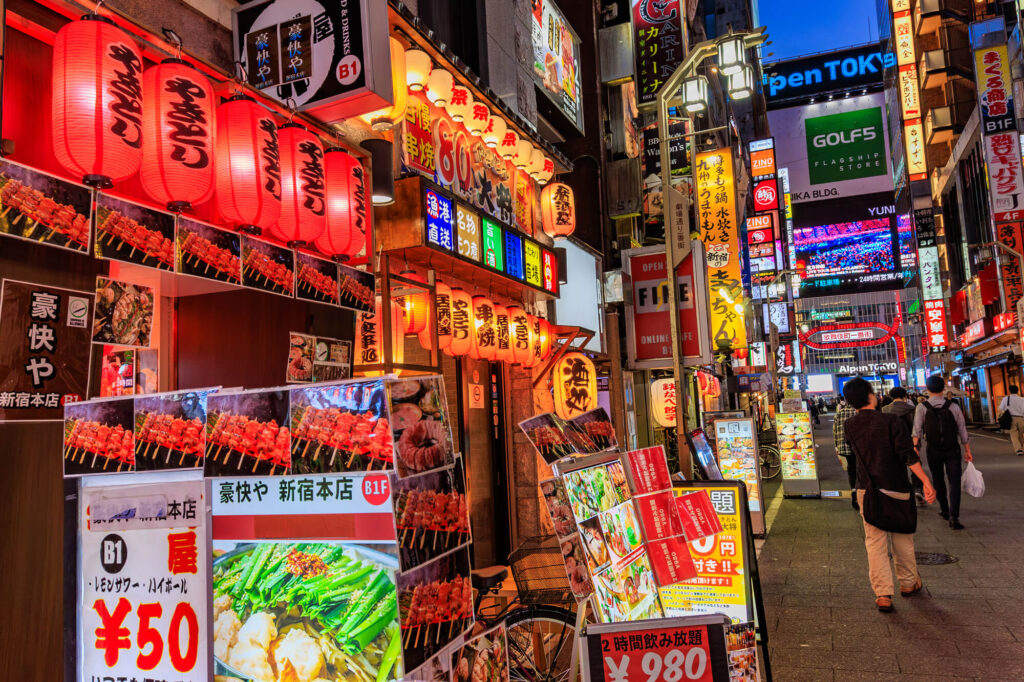
Izakaya pubs, with their warm red paper lanterns hanging outside, are the heart of Tokyo’s nightlife.
They’re where office workers stop for a drink on the way home, and where friends gather to unwind and talk.
The range is enormous — from sleek modern spots to old-school establishments that feel straight out of the Showa era.
When you visit an izakaya, try ordering a Hoppy or chuhai.
Hoppy is a beer-flavored drink mixed with shochu, and you can adjust the strength to your liking.
Chuhai (shochu highball), sometimes called “shitamachi highball,” is made to each bar’s own recipe.
Both drinks were born in postwar Tokyo and remain beloved by locals to this day.
Most izakaya also offer non-alcoholic options, so there’s something for everyone.
One custom worth knowing about is otoshi.
When you order a drink, a small complimentary dish will often appear on your table without you asking for it.
This is a standard table charge included automatically and generally cannot be refused.
If any ingredient doesn’t suit your diet, just let the staff know — they’ll be happy to help.
Belt Out Your Favorites at a Karaoke Box
In Japan, karaoke means a private room — a fully enclosed space where you and your group sing together without an audience.
This format is uniquely Japanese, and it’s become increasingly popular with visitors from around the world.
If you’re going with a group, try using the scoring feature.
Competing for points is guaranteed to get the party going.
Many venues let you control the lighting yourself, so you can dial up the atmosphere with colorful effects.
Since most places are open until morning, karaoke is also a popular way to wind down at the end of a night out.
The song libraries are loaded with international pop music, not just Japanese hits.
Come and enjoy the freedom of singing whatever you love in your own private space.
Unwind and Recharge at a Sento
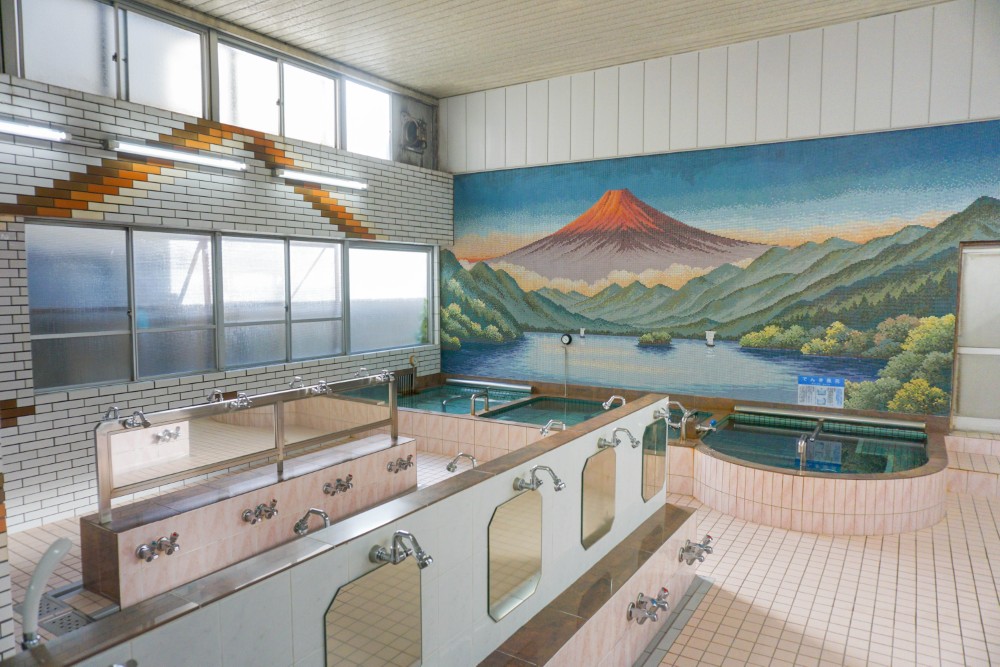
Communal bathing is an essential part of Tokyo’s nightlife culture.
Natural hot spring baths, outdoor rotenburo baths, and classic neighborhood sento with their iconic Mount Fuji mural paintings — every facility has its own character.
After a long day of sightseeing on your feet, soaking in a large communal bath is a deeply restorative experience that no hotel bathroom can match.
If it’s your first time, here are a few simple etiquette tips: undress completely in the changing room, and always rinse your body thoroughly with a shower or the provided ladles before entering the communal bath.
If you have long hair, tie it up so it doesn’t touch the water.
Some facilities do not admit guests with tattoos, though tattoo-friendly baths are increasing — it’s worth checking in advance.
※ Important: Never bathe after drinking alcohol, as it can be dangerous.
End the Night with a Bowl of Ramen
The classic Tokyo late-night ritual is shime no ramen — a bowl of hot noodle soup to close out the evening after drinks.
Entertainment districts are full of ramen shops open late into the night, and some never close at all.
With tonkotsu (pork bone), shoyu (soy sauce), shio (salt), and miso broths to choose from, you can pick whatever suits your mood or appetite.
You might be surprised to hear the loud slurping sound at the table next to you — in Japan, this is a perfectly normal and accepted way to eat ramen, as it helps you enjoy the noodles and broth together.
That said, there’s no pressure to slurp; eat however feels comfortable to you.
Area-by-Area Itineraries: Where to Start Your Tokyo Night
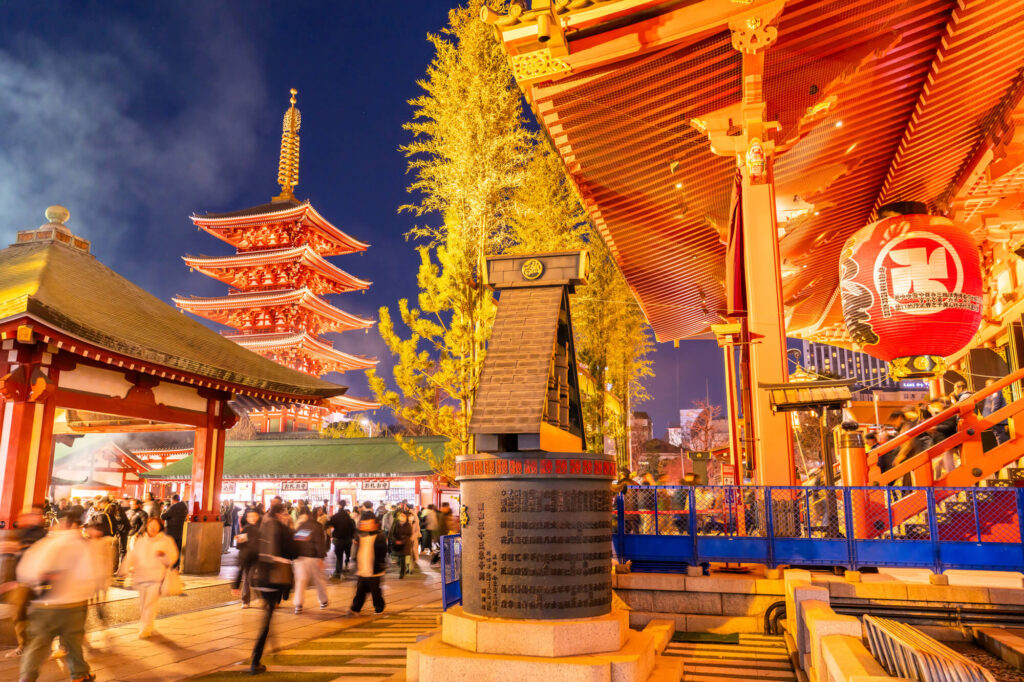
Tokyo’s nightlife is vast.
Tokyo Night Story features 10 curated model itineraries organized by area and theme.
| Area | Theme & Highlights |
|---|---|
| Roppongi | A cultured night out Home to some of Tokyo’s finest museums and galleries, Roppongi is where sophistication meets nightlife. Stroll past Mori Art Museum and the National Art Center Tokyo for world-class art alongside stunning city views — the perfect combination for a refined evening. |
| Oshiage & Asakusa | A night at the foot of Skytree Take in the spectacular night view from Tokyo Skytree’s observation deck, then wander into Asakusa’s old-town alleyways full of local charm. A route where old and new Tokyo collide. |
| Shibuya | A night with many faces The buzz of Scramble Crossing, the skyline from SHIBUYA SKY, and a thriving club scene — Shibuya’s nights are layered and rich. Whether you’re a first-time visitor or a seasoned Tokyo traveler, there’s always more to discover here. |
| Shinjuku | The classic night tour Kabukicho, Golden Gai, Omoide Yokocho — Shinjuku after dark is full of options. A popular route starts with the free observation deck at the Tokyo Metropolitan Government Building, then winds down through backstreet izakaya pubs. |
| Akihabara | Otaku heaven after dark The holy land of anime, manga, and gaming looks completely different at night. Specialty shops and maid cafes stay open until the early hours, making Akihabara one of Tokyo’s most one-of-a-kind nighttime experiences. |
| Ginza | An elegant evening With its high-end bars and restaurants, Ginza is ideal for those looking for a touch of luxury after dark. Even a leisurely window-shopping stroll along Chuo-dori at night makes for a beautifully atmospheric experience. |
| Kichijoji | A local night in Tokyo’s cultural quarter Kichijoji is a beloved neighborhood among Tokyoites themselves, packed with the kind of bars and restaurants that locals actually frequent. If you want to experience everyday Tokyo nightlife away from the tourist trail, this is the place to be. |
Full details on each itinerary are available on the Model Courses page of the Tokyo Night Story official website.
Practical Guide: What You Need to Know Before Going Out at Night
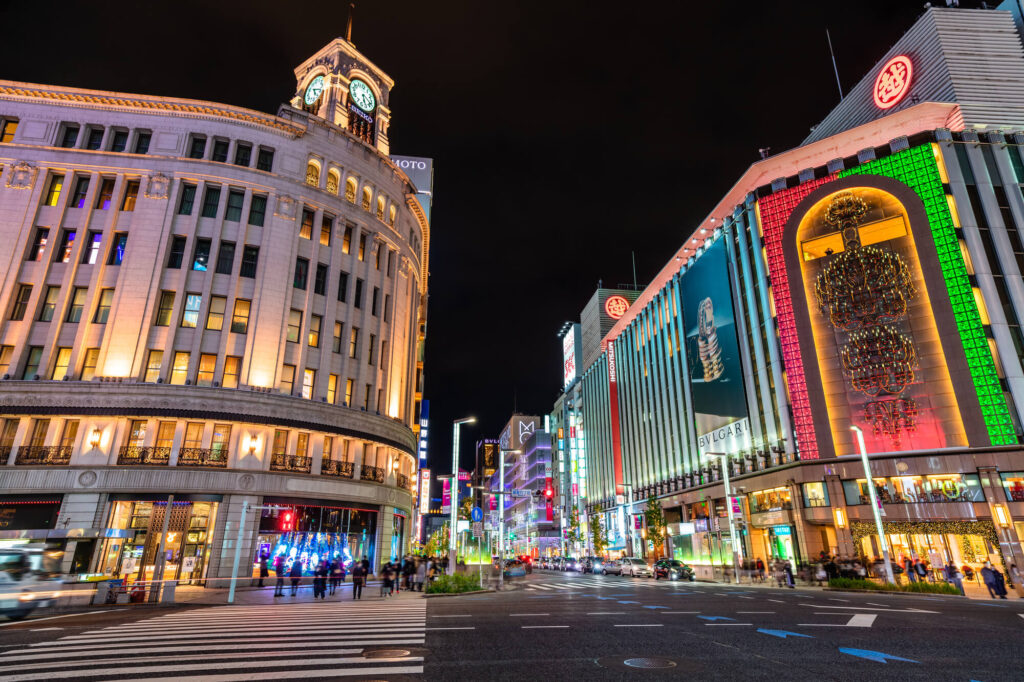
Here’s everything first-time visitors need to know to enjoy Tokyo’s nights safely and confidently.
Getting Around
Tokyo’s train network typically runs until around midnight to 1 a.m., depending on the line and area.
If you miss the last train, taxis and late-night buses are your best options.
Keep in mind that taxis apply a late-night surcharge (roughly 10 p.m. to 5 a.m.), so it’s helpful to have a rough idea of fares before you go.
Cash and Payments
Cashless payments — including credit cards and IC transit cards — are widely accepted in Tokyo.
However, many owner-operated izakaya and bars are still cash only.
Foreign-issued cards can also occasionally run into payment errors, so carrying some Japanese yen is always a smart idea.
Manners and Local Rules
| Drinking & Smoking in Public | Alcohol is easy to buy at convenience stores, but note that some areas — including parts of Shibuya — have local ordinances banning street drinking. Outdoor smoking is regulated in almost all of Tokyo. Drink at a bar or izakaya, and smoke only at designated smoking areas. |
|---|---|
| Touts and Solicitors | You may be approached by touts in entertainment districts. Being drawn into the wrong establishment can lead to inflated bills or scams. Walk in groups and simply ignore anyone who approaches you on the street — that’s the safest approach. |
| Rubbish and Litter | Public bins are scarce in Tokyo, and the norm is to take your rubbish home with you. Littering is a serious social no-no — please carry your waste until you find a bin or return to your accommodation. |
Language
English menus and multilingual services are becoming more common, but some owner-operated izakaya and sento may be Japanese-only.
A translation app like Google Translate will get you through most situations.
Pointing at a photo menu or holding up a number with your fingers often works just as well — so don’t be shy, and enjoy the communication as part of the experience.
Music & Entertainment: Tokyo’s After-Dark Scene
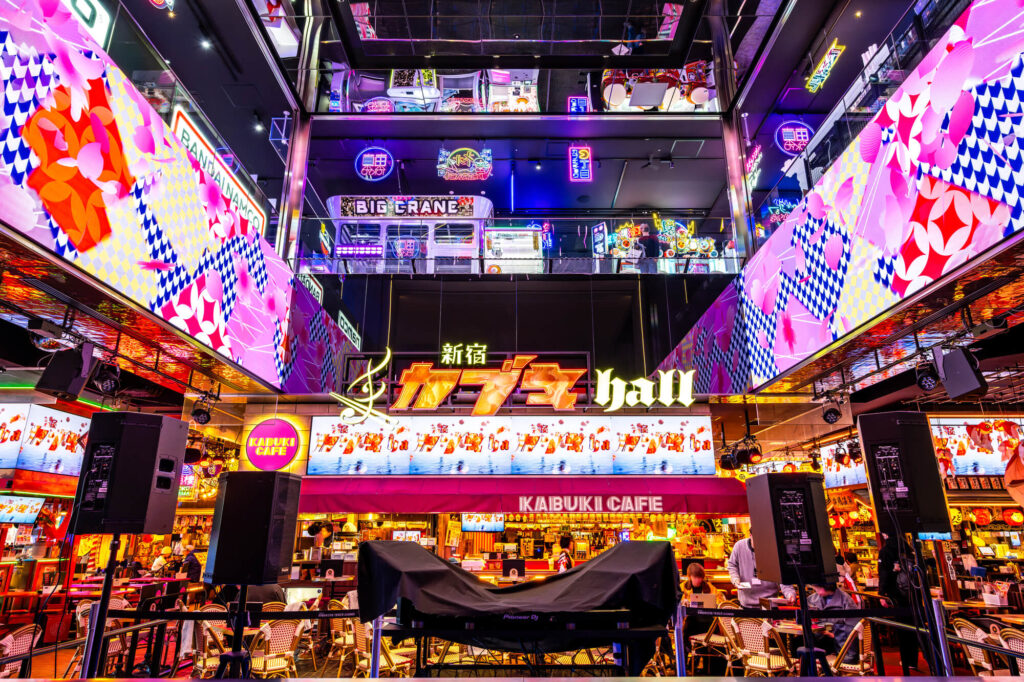
Tokyo’s club and music scene has evolved into something so distinctively its own that world-renowned DJs and artists consistently describe its energy as unlike anywhere else.
Centered around Shibuya, Roppongi, and Shinjuku, clubs and live music venues open their doors from late night into the early hours.
The genre landscape is just as diverse — jazz bars, rock live houses, and techno clubs all have a home in Tokyo.
Entry fees and drink arrangements vary by venue, so looking things up in advance will help you avoid any surprises.
Street performances are also a spontaneous highlight you might stumble upon.
Around the stations in Shinjuku and Shibuya, talented street musicians frequently set up after dark.
Catching a live performance by chance is one of the unexpected pleasures Tokyo’s nights have to offer.
Early Morning Activities: Don’t Miss Pre-Dawn Tokyo
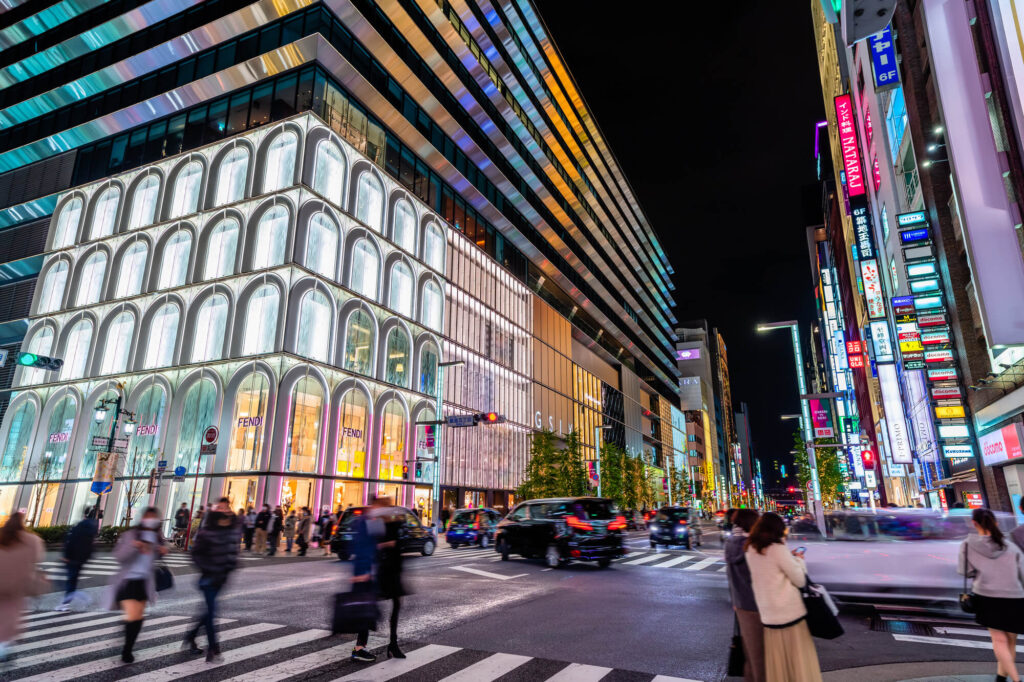
No account of Tokyo’s nights would be complete without mentioning the hours just before sunrise.
At Tsukiji Outer Market, fresh seafood rice bowls and sushi restaurants open in the early morning, drawing lines of early-rising visitors.
And an early morning visit to Meiji Jingu Shrine offers a rare chance to experience Tokyo in quiet stillness, completely removed from the noise of the city.
Some travelers stay up all night after a late session at clubs or bars, heading straight to Tsukiji for breakfast as the sun rises — a very “Tokyo” way to spend the night right through to morning.
Tokyo Night Story features early morning activity recommendations for exactly this kind of adventure.
Finding Events and Buying Tickets
Tokyo hosts a wide variety of nighttime events throughout the year — seasonal light-up displays, projection mapping shows, live music events, and more.
What’s on changes with the season, so there’s always something new to discover depending on when you visit.
For the latest event information and tickets, check GO TOKYO’s official “Tokyo Events and Tickets” service.
Planning ahead and building events into your itinerary is the best way to make the most of your Tokyo nights.
Also, the Tokyo Night Story Official Guide Map (free download) is packed with recommended spots for exploring Tokyo after dark.
Download it before your trip for a handy reference.
Final Thoughts: Tokyo at Night Is a City Unto Itself
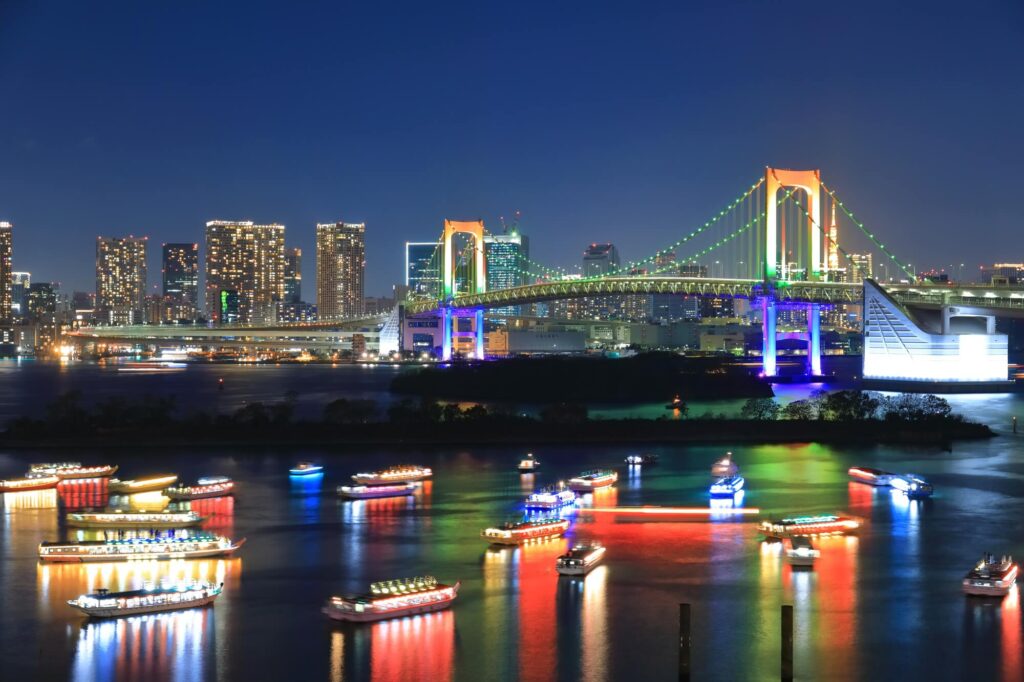
After a full day of exploring Tokyo, step back outside when night falls.
You’ll find a city that is completely transformed.
A sea of lights stretching to the horizon from 450 meters above the ground.
An izakaya alleyway glowing under red lanterns, with a cold Hoppy in hand.
The total freedom of a private karaoke room.
The quiet stillness of soaking in a sento’s wide, steaming bath.
The deep satisfaction of a bowl of ramen to close out the night.
These are all experiences that exist only in Tokyo after dark.
Tokyo’s nights are among the safest, most diverse, and most rewarding in the world.
Mix and match the night views, food, local experiences, and area itineraries to craft your own personal Tokyo Night Story.
For detailed spot information, model courses, and guide maps, visit Tokyo Night Story.
Reference: Tokyo Night Story (GO TOKYO — Tokyo’s Official Tourism Website)
https://www.tokyonightstory.com/